
One-stop comprehensive solution provider
The cheapest quote is usually the most expensive mistake a buyer makes in China. A supplier that undercuts everyone by 20% is rarely more efficient - it is usually cutting material, skipping quality checks, or planning to renegotiate once your deposit is paid. A reliable supplier is not the one with the lowest price. It is the one whose capability you verified, whose communication is straight, and whose quality stays consistent from the first order to the tenth. Here is a process that works.
1. Write a clear product brief first
No supplier can quote accurately from a vague request. Before you contact anyone, write down the specification, materials, dimensions, quality standard, target price, order quantity, packaging requirements, and delivery deadline. A clear brief does three things: it filters out suppliers who cannot make your product, it makes quotes comparable, and it becomes the reference document if quality disputes arise later. If you cannot describe the product precisely, you are not ready to ask for prices.
2. Build a shortlist - then verify every name on it
Collect five or six candidates from trade platforms, referrals, or your sourcing agent, then check each one before you ask for a quote:
• Business license. Ask for the company name in Chinese and check it on China's National Enterprise Credit Information Publicity System. Confirm the company exists, when it was registered, and what its registered scope covers.
• Factory or trading company? Know which one you are dealing with. A factory usually means lower prices and direct control; a trading company offers a wider product range and handles logistics. Neither is automatically bad - but a trading company pretending to be a factory is a red flag.
• Track record. How many years in business, which markets they export to, and whether they have made your product type before. Ask for two or three past clients or product examples.
• Certifications. ISO 9001 is the baseline for a factory. Verify the certificate rather than accepting a scanned copy at face value.
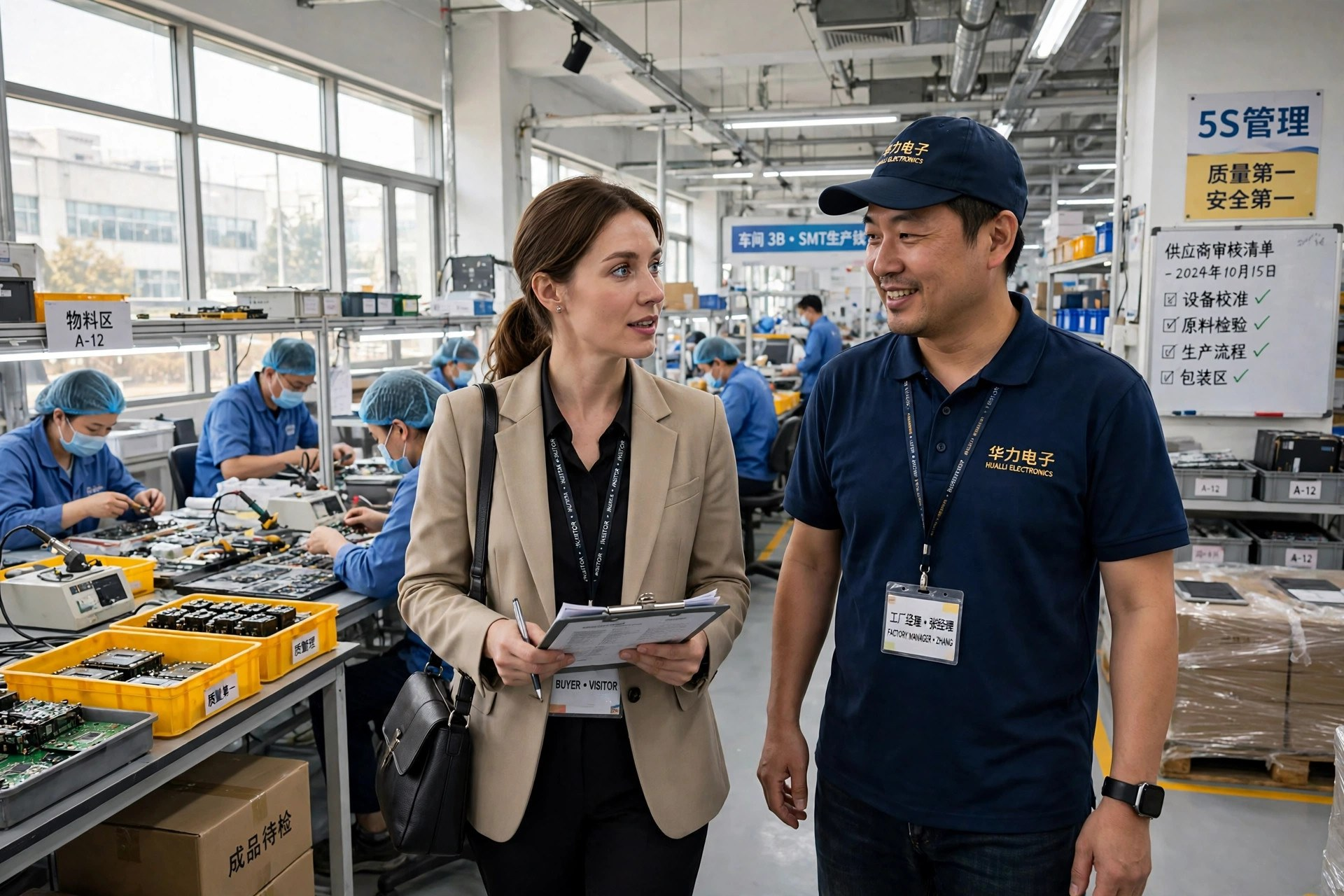
• See the factory. A video call walkthrough of the production floor is the minimum. For larger orders, an on-site audit is worth every dollar.
3. Compare quotes like for like
Never compare a single unit price - the real comparison is the total landed cost. Put every quote into the same table:
into the same table:
Item - Supplier A Supplier B Supplier C :
Specification/MOQ/Unit price/Tooling or mould fee/Lead time/Payment terms/QC process
A quote that is far below the rest usually means thinner material, cheaper components, or skipped inspection. If a supplier cannot explain its price, it cannot defend its quality either.
4. Always order a sample first
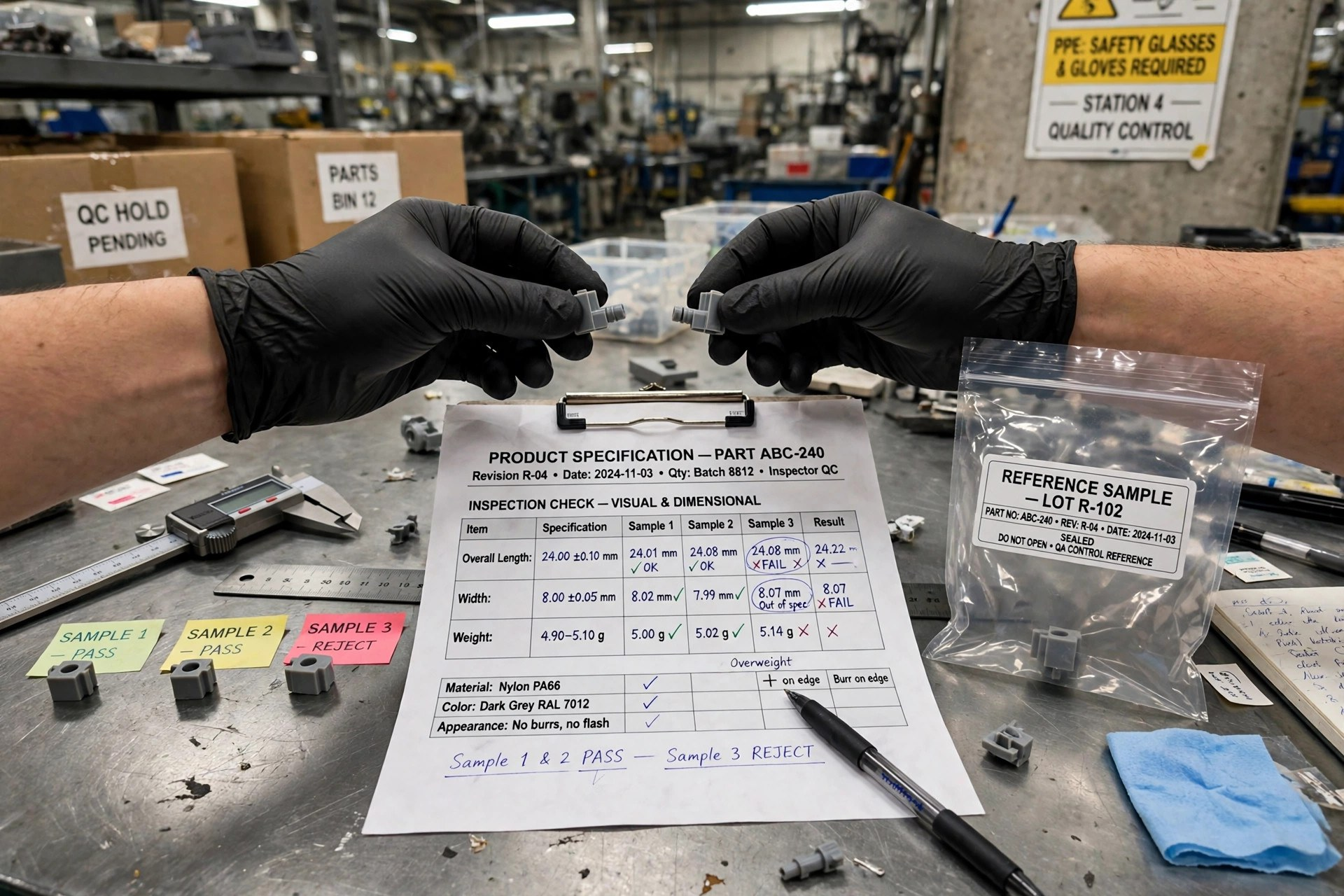
A sample is cheap insurance. Check it against your specification - dimensions, materials, function, finish, packaging - and keep a sealed reference sample signed by both sides. That sample becomes the standard every production run is judged against. If the sample is wrong, walk away before any bulk payment. If a supplier refuses to send a sample, walk away faster.
5. Start with a trial order, then scale
Place a small first order, inspect it before the final payment, and only scale up after one or two clean deliveries. The common payment structure is 30% deposit and 70% before shipment, with a pre-shipment inspection as the condition for releasing the balance. Good suppliers accept this without argument - they know their goods will pass.
Red flags that end the conversation
No verifiable business license. Refuses a video call or factory photos. Demands 100% payment upfront. No physical address, only a chat handle. Any one of these is enough to remove a supplier from your list.
FAQ
How many suppliers should I compare? Three to five. Fewer and you have no real comparison, you waste weeks managing quotes.
Factory or trading company - which is better? It depends on the order. Factories suit large, stable orders of one product. Trading companies suit small orders across several products, or buyers who want one point of contact.
How long does vetting take? One to two weeks for a standard product: a few days to shortlist and verify, a week for samples. Rushing this step is how bad suppliers get through.
Get help vetting suppliers
If you would rather not run this process yourself, ChinaSift's $129 Sourcing Trial finds and compares five suppliers for your product, checks their credentials, and recommends the strongest one - and the $129 is fully credited against our commission if you place an order within 90 days.
Contact us on WhatsApp at +86 18312155383 or email info@chinasift.com
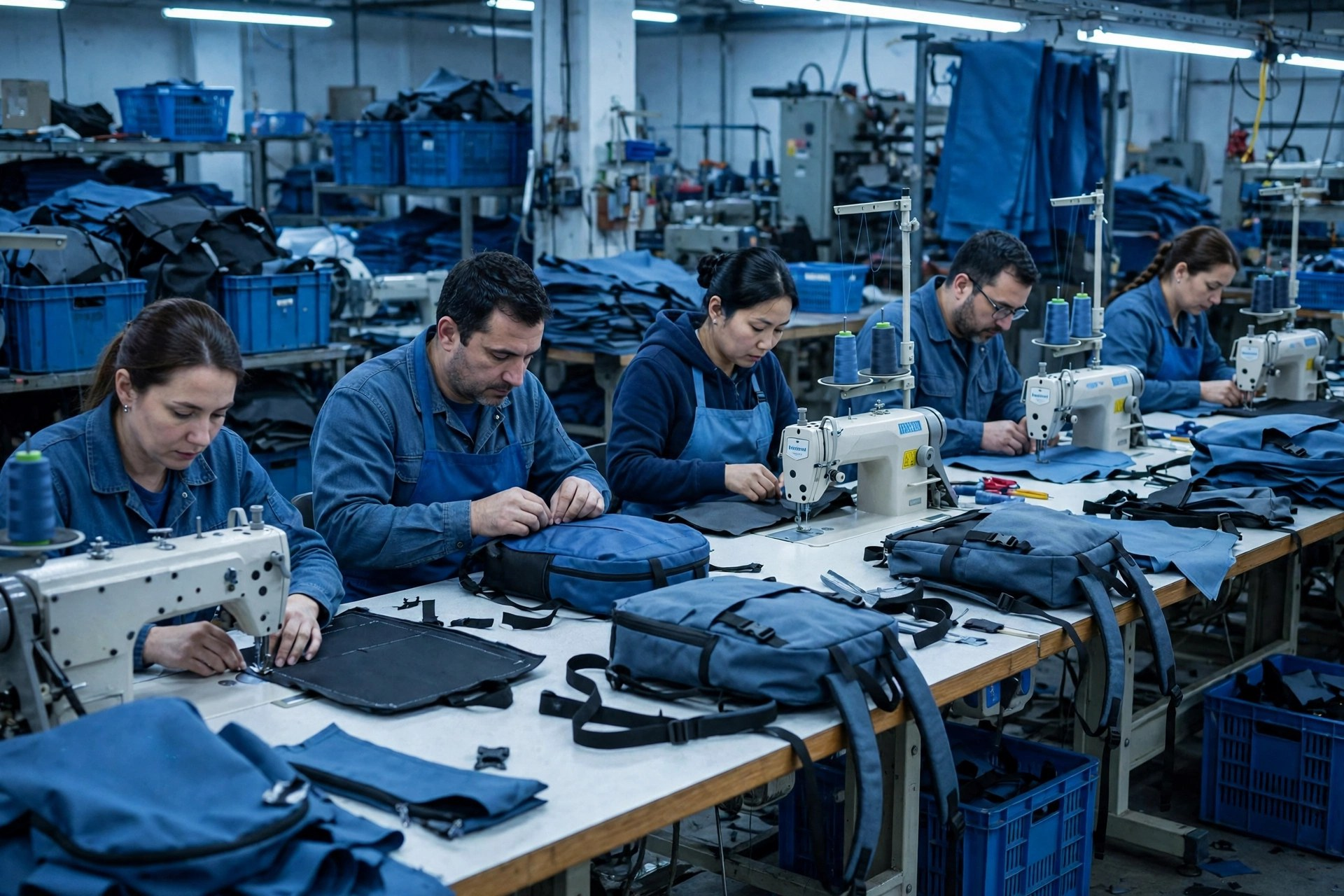
Backpacks look simple, which is why they are easy to buy badly. Clusters, a same-spec quote comparison, MOQs and the five QC checks for sourcing backpacks from ···
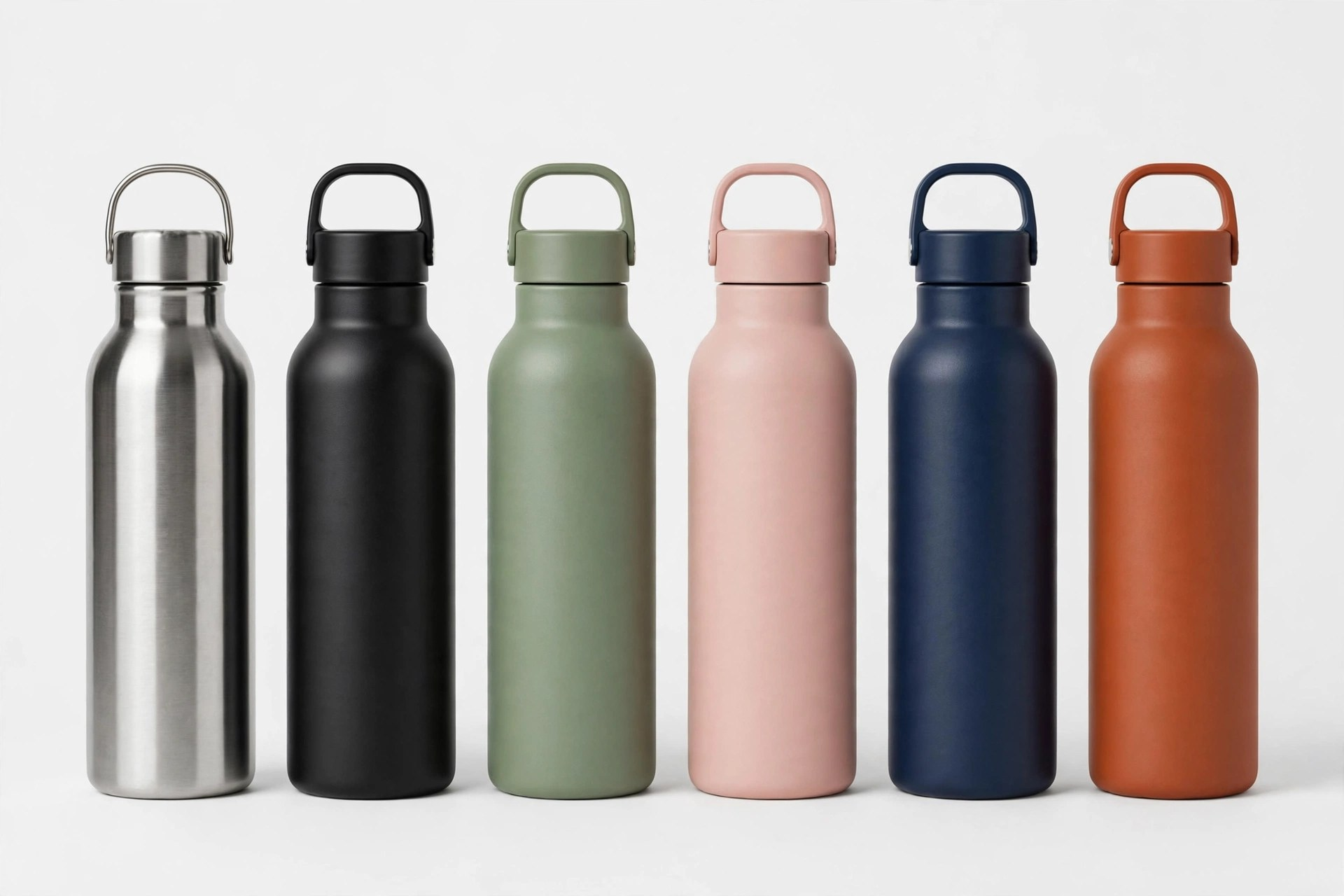
Sourcing vacuum bottles from China? 2026 price benchmarks, 304 vs 316 steel,LFGB/FDA certification guidance, and factory vetting tips for new buyers.

What does a China sourcing agent actually do? How they charge, how to spot hiddenkickbacks, and our 3-step process — with transparent pricing.