One-stop comprehensive solution provider
How to Source Backpacks from China: A 2026 Buyer's Guide
A backpack looks simple, which is why it is easy to buy badly. Two suppliers can quote the same "20L laptop backpack" and ship bags that differ in fabric, zipper life and stitching — and the cheaper one is often the one that comes back as returns.
This guide fixes the spec first, then shows where to buy, what the price should look like, and what to check before bulk.
Where backpacks are actually made
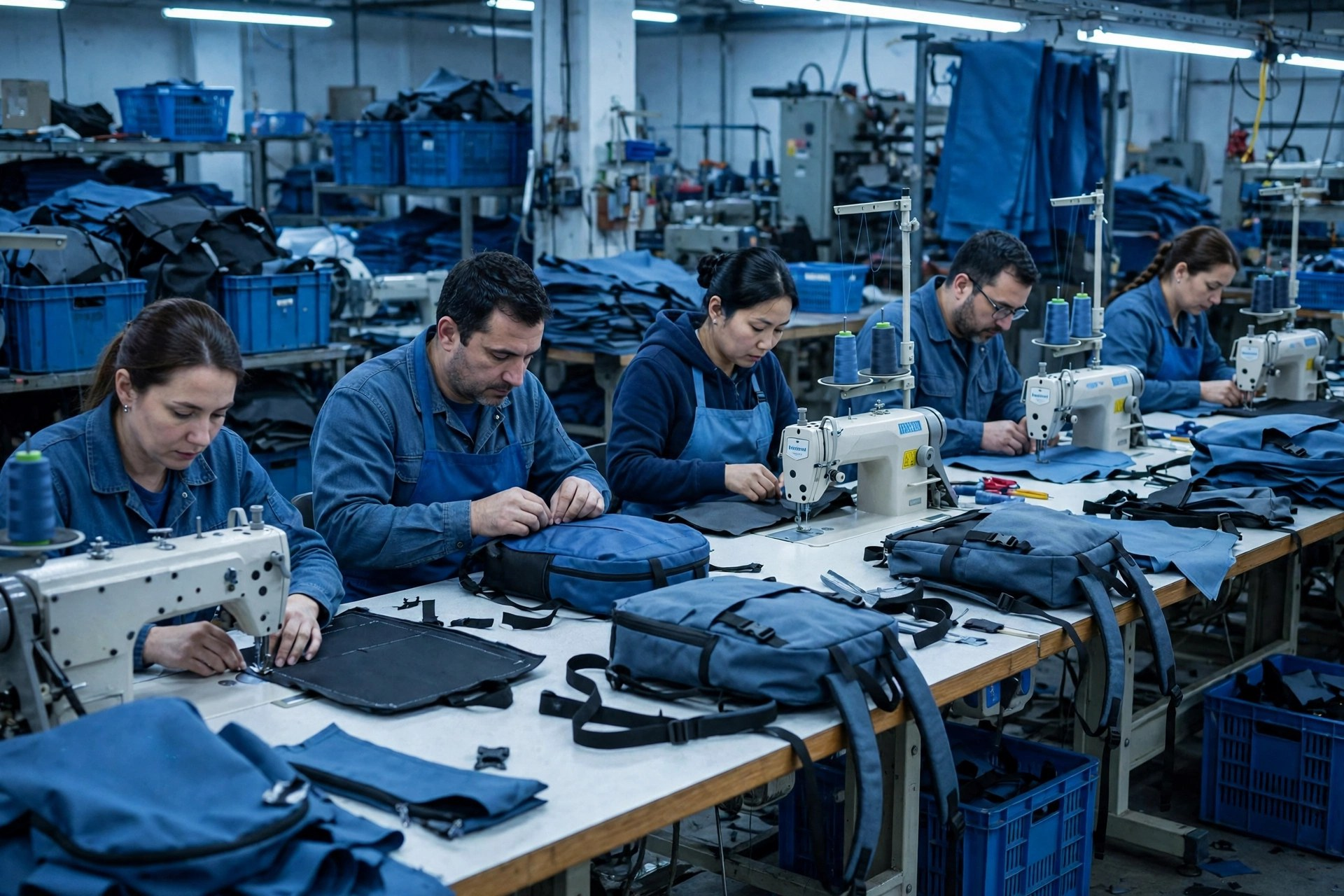
China still makes most of the world's backpacks, but "China" is not one factory. Three clusters do different work:
Guangdong — Guangzhou, Dongguan, Shenzhen, Foshan. The premium and technical end: outdoor, laptop and smart backpacks, stronger OEM/ODM and design support, and the best access to imported fabrics and branded zippers. Peer guides put this cluster's typical range at $8.50–$22.00 per unit, with MOQs of 500–1,000 pieces.
Fujian — Quanzhou and Jinjiang. Mid-tier outdoor and travel backpacks, and the strongest recycled-material lines (RPET). A peer 2026 guide reports $7.00–$15.80 for a standard 20L bag here. If sustainability claims matter to your buyers, start here — but check GRS certification rather than taking "eco" on trust.
Zhejiang — Yiwu, Wenzhou, Ningbo. Fashion, school and high-volume basic bagsat the lowest unit cost — peer guides report $4.00–$12.00 — but usually with MOQs of 1,000–3,000 and less custom engineering. Good for a proven, simple design; a poor place to develop a new technical bag.
Pick the cluster by the bag, not by the lowest quote.
Compare quotes on one identical spec — or don't compare them at all
Never compare five quotes that each describe a different bag. Send every supplier the same sheet, for example:
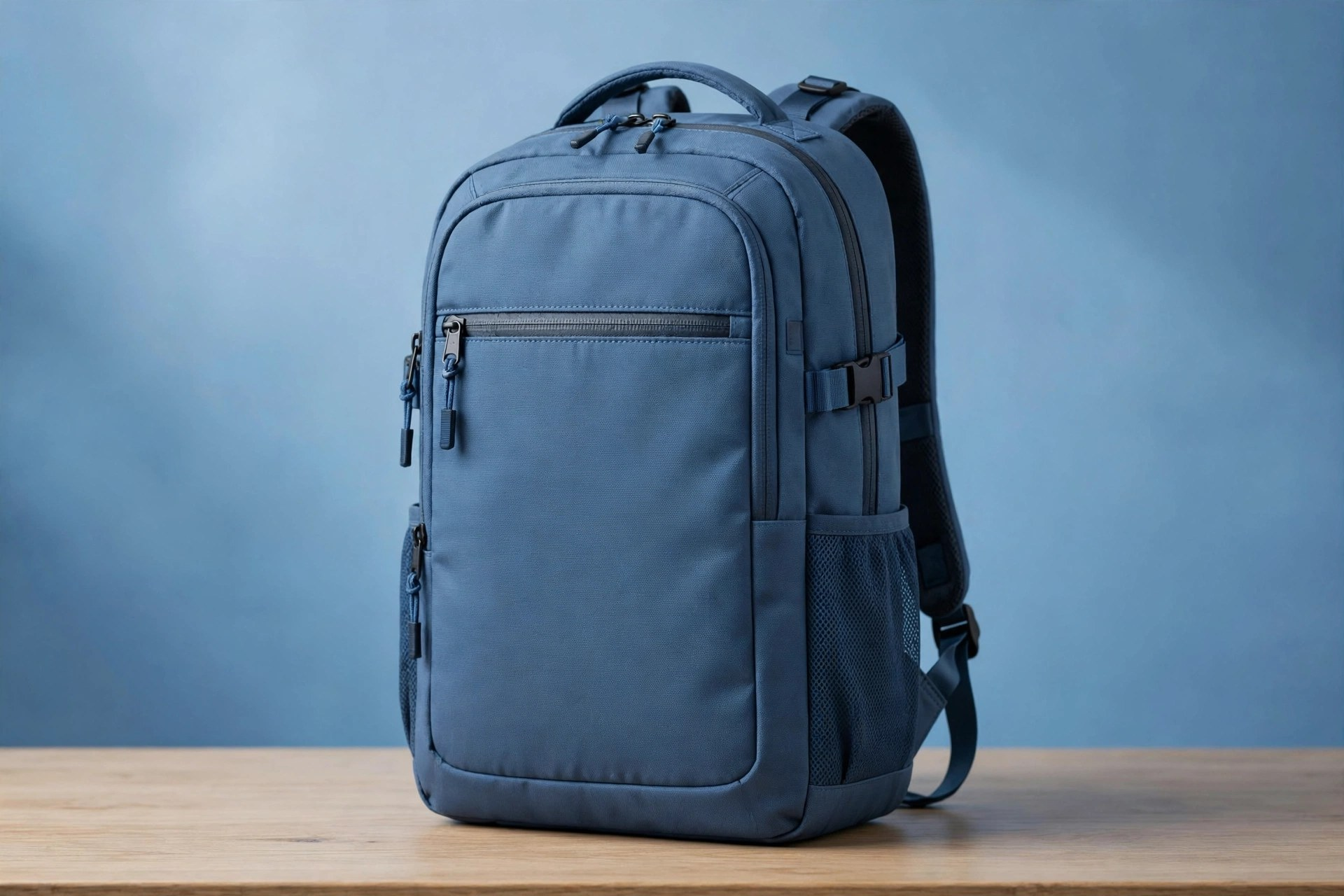
20L everyday laptop backpack, 900D polyester outer, padded 15.6-inch laptop sleeve, YKK or equivalent zippers, padded air-mesh back panel, one front organiser pocket, custom woven label, individual polybag + export carton.
Then make the comparison about what changes inside that spec:
• Fabric: 600D vs 900D polyester, and whether the quoted fabric is coated. Same "polyester" label, very different tear and water resistance.
• Zippers: branded vs unbranded is the single most common failure point. Ask for the zipper brand in writing and test it on the sample, not just in photos.
• Stitching: stitch count per inch, bartack reinforcement at strap joints, and whether stress points are double-stitched.
• Lining and foam: thin lining and unpadded straps are where cheap quotes hide the saving.
This is the work our $129 trial does for you: five suppliers, one spec, one comparison table, and a recommendation.
What private label actually costs to start
For a standard design, peer guides report custom MOQs of 200–500 pieces per style and colour, with smaller runs of 50–100 pieces sometimes possible at a 20–40% price premium. Sampling typically takes 6–10 days after the design is confirmed; bulk production takes 25–50 days after sample approval, depending on complexity. From kick-off to landed stock, plan on four to six months once shipping and inspection are included.
Budget beyond the unit price: sample fees and freight, logo setup, custom dyeing, packaging, inspection and freight. A quote that omits inspection and freight is not cheaper — it is incomplete.
On compliance, ask early. For US children's school bags, raise CPSIA; for the EU, REACH. ISO 9001 and a BSCI audit are useful factory signals, but neither replaces inspecting your actual sample.
Five checks before bulk
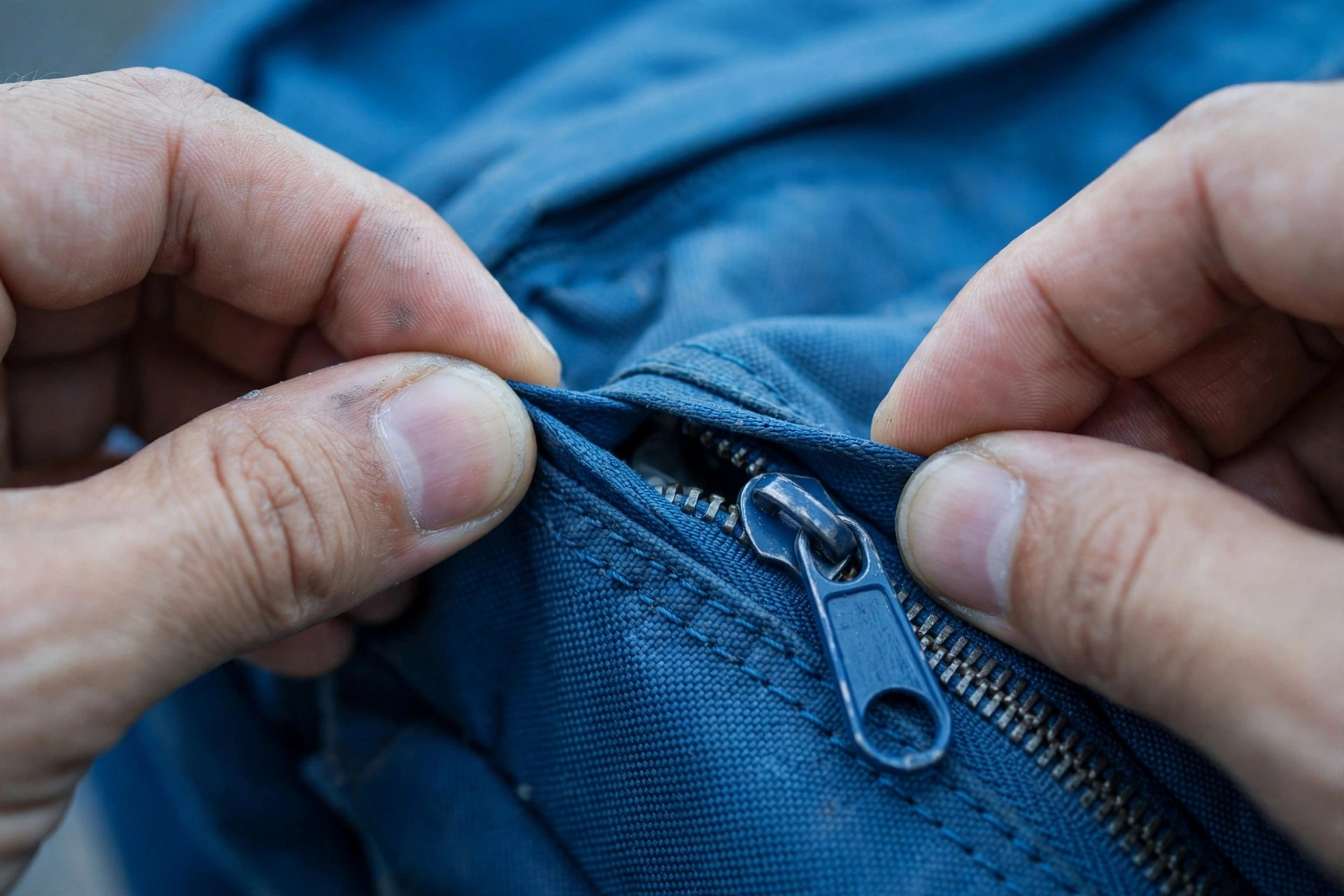
1. Load the sample the way a customer will. Laptop in, books in, zippers run 50 times. A bag that looks fine empty can fail loaded.
2. Pull every strap joint. Strap-to-body stitching is the first thing to fail in returns data.
3. Check the zipper under load, and the zipper brand against the quote.
4. Measure it. Capacity claims are often rounded up; measure litres and laptop-sleeve fit yourself.
5. Inspect before shipment, not after arrival. AQL 2.5 is the common standard for consumer bags; agree the level in writing before production, not when the container is already loaded.
FAQ
What is the typical MOQ for a custom backpack? 200–500 pieces per style and colour is typical. Stock designs can go lower; a fully custom technical bag can require 1,000.
How long does production take? 25–50 days after sample approval is the usual bulk window, depending on complexity, plus 6–10 days for sampling and shipping time on top.
Which material should I choose? 600D polyester is the everyday workhorse; 900D or nylon steps up durability, at a higher cost. For RPET, ask for GRS certification before claiming it.
Factory or trading company? A factory gives you control over materials and cost; a trading company can suit small, mixed orders. Either way, verify who makes the bag — video tour and business licence before any deposit.
If you have a backpack spec — or just a photo and a target price — send it to us. We will tell you honestly whether it is sourcable in China, which cluster fits it, and what it should cost, before you commit to five suppliers on your own.
$129 Sourcing Trial: five suppliers compared side by side, with a clear recommendation. If you place an order within 90 days, the $129 is credited in full toward commission.
Contact: info@chinasift.com · WhatsApp +86 18312155383 · chinasift.com
Backpacks look simple, which is why they are easy to buy badly. Clusters, a same-spec quote comparison, MOQs and the five QC checks for sourcing backpacks from ···
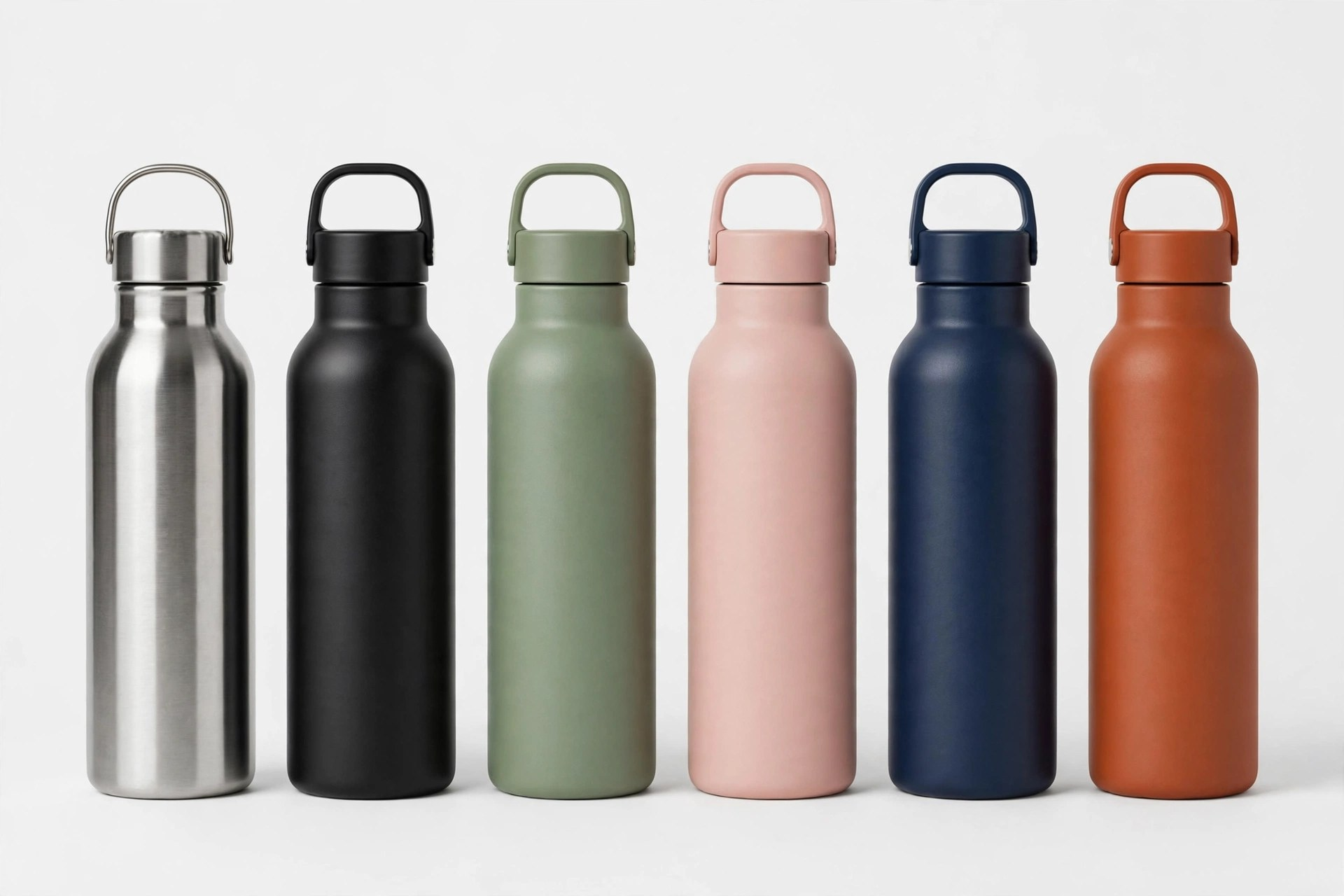
Sourcing vacuum bottles from China? 2026 price benchmarks, 304 vs 316 steel,LFGB/FDA certification guidance, and factory vetting tips for new buyers.
What does a China sourcing agent actually do? How they charge, how to spot hiddenkickbacks, and our 3-step process — with transparent pricing.