
One-stop comprehensive solution provider
The True Cost of Sourcing from China in 2026
(Beyond the Product Price)
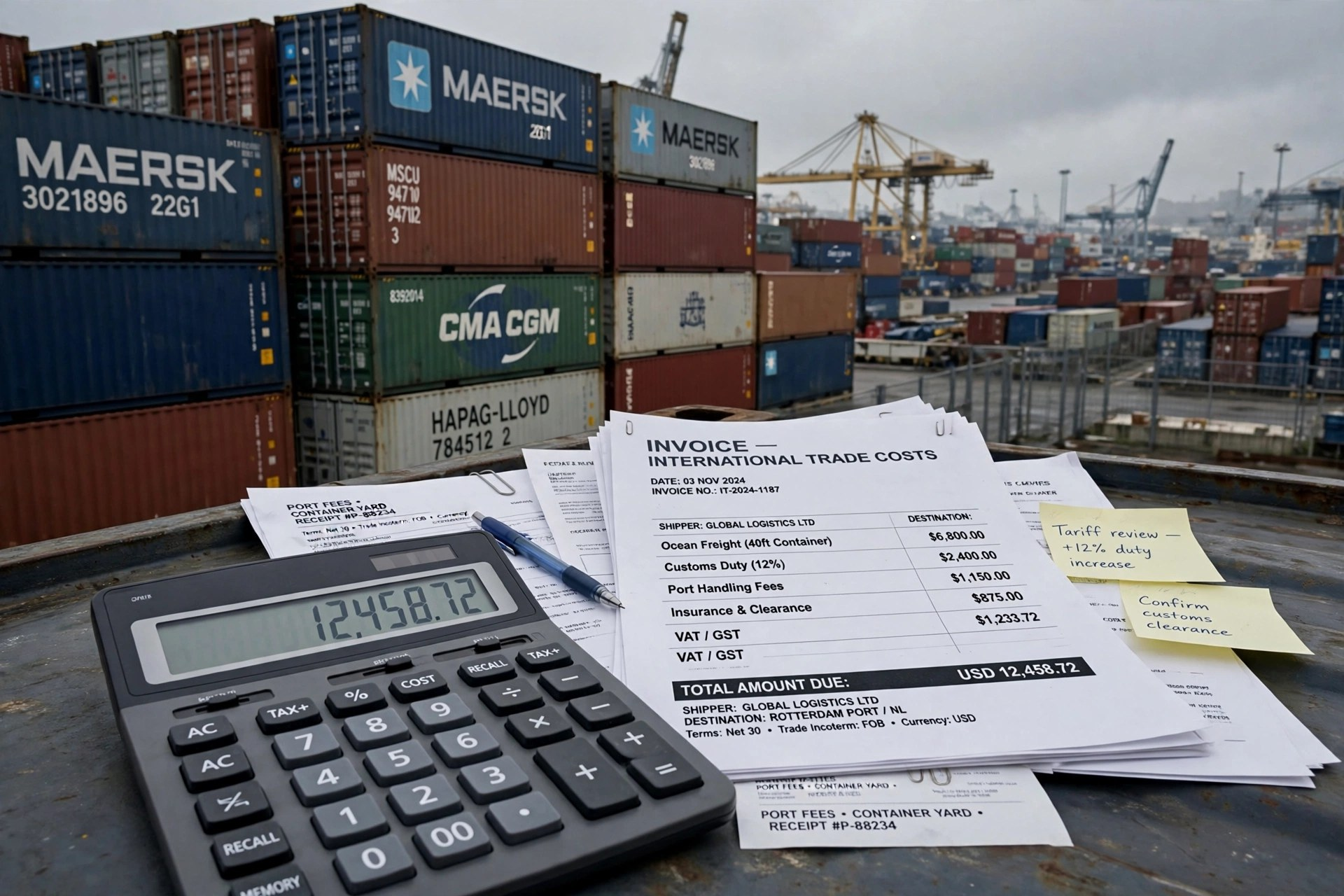
The most expensive mistake first-time buyers make isn't picking the wrong product — it's budgeting for the product price and discovering the real bill later. The unit price on a quote is typically 60–75% of what you'll actually spend. The rest is freight, duties, QC, samples, payment costs, and the quiet killers: rework and delay. Here's the full breakdown for 2026.
The quote is the beginning, not the end
A quote that says "$2.20/unit FOB" answers one question: what the goods cost at the Chinese port. Everything after that — getting them to your warehouse, cleared, compliant, and correct — is on you. Experienced buyers budget landed cost from day one. Beginners budget unit price and learn the difference the hard way.
Freight: the moving target
International freight is the line item that swings most. Sea freight for a small LCL shipment typically runs a few hundred dollars; air freight for rush restocks can exceed the value of the goods themselves. In 2026, plan conservatively: get a freight quote for your actual carton dimensions before you commit to an order size, not after. And watch the trade term — EXW quotes look cheaper because the factory excludes export handling, but you'll pay it to your forwarder instead. Always compare like with like.
Duties: the part nobody enjoys
For US buyers, Section 301 tariffs remain the big variable in 2026 — covered product categories typically carry an additional 7.5–25% on top of normal duty rates, depending on which USTR list your HTS code falls under. Check your code against the current lists; classifications do shift. EU buyers face standard MFN duty rates by HS code, plus occasional anti-dumping measures on specific Chinese goods. The honest advice: have a customs broker or freight forwarder confirm your duty rate before you place the order. A surprise percentage at the port is a margin killer.
QC, samples, and the cost of being sure
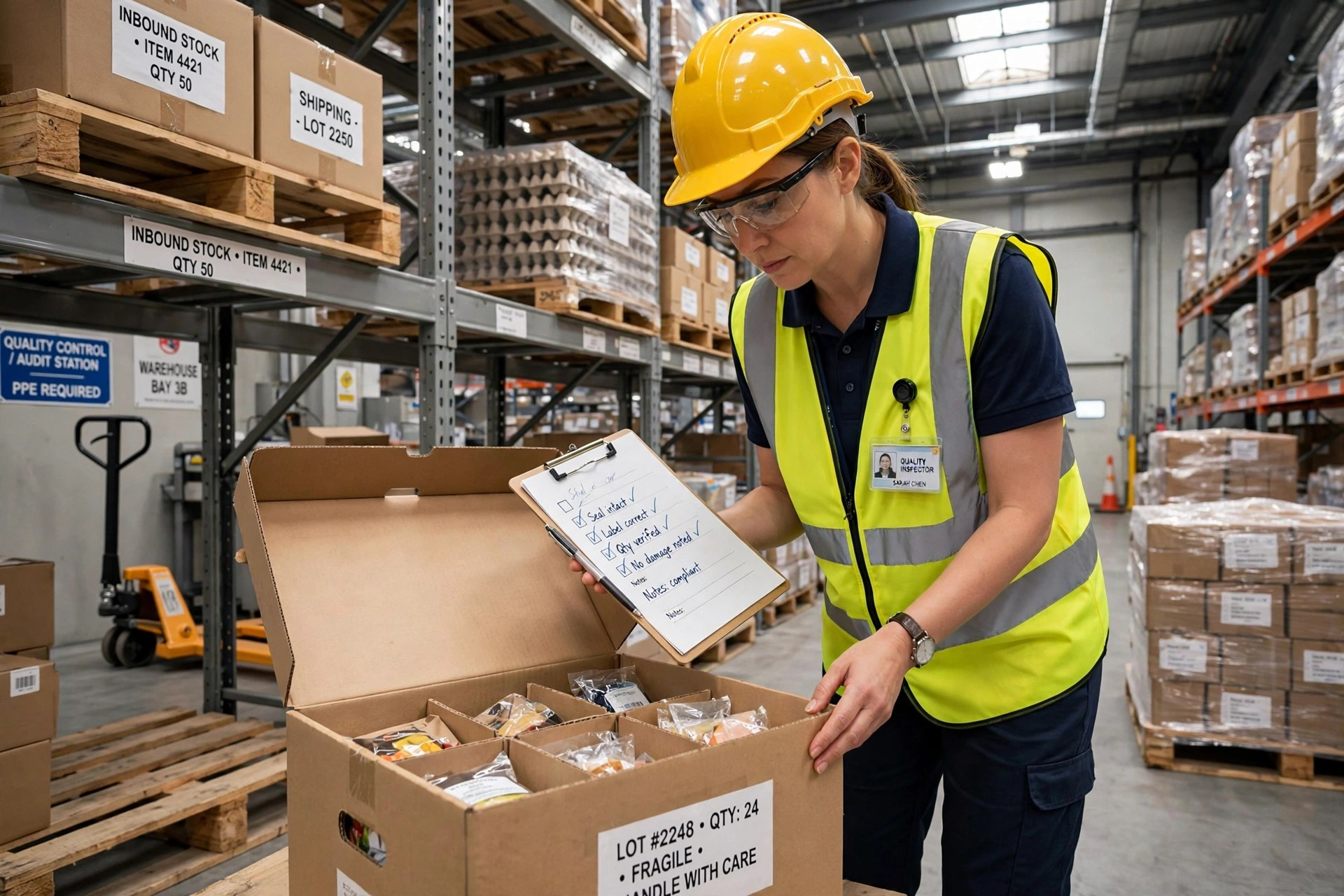
Budget these as non-negotiable: samples ($20–50 each with courier — order from two or three factories, not one), a pre-shipment inspection (typically $150–300 per man-day; one day covers most small orders), and payment costs (wire fees, currency conversion, or platform fees usually add 1–3%). These feel like overhead. They're actually the cheapest money in the deal — a $250 inspection that catches a bad batch saves you thousands.
The hidden costs: rework and delay
The costs that never appear on any quote: a batch that needs rework because the color was "close enough," a shipment that misses the vessel and sits for two weeks, three rounds of back-and-forth because the spec sheet just said "blue." These have no fixed prices, which is why beginners ignore them — and why experienced buyers put a 5–10% contingency into every first order with a new factory. Miscommunication is the most expensive line item precisely because it's the least visible.
A small-batch example: where the money actually goes
Take a typical first order — 2,000 vacuum bottles at $2.20/unit, or $4,400 in product cost. A realistic landed-cost picture looks like this:
• Product (FOB): $4,400
• Sea freight (LCL) + port charges: ~$400–600
• US duties (base rate + Section 301, illustrative): ~$700–1,000
• Pre-shipment inspection (1 day): ~$200–300
• Samples (3 factories): ~$100–150
• Payment fees / FX: ~$100–150
• Contingency: ~$300
Total: roughly $6,200–6,900 — the $2.20 unit price lands at about $3.10–3.45 per unit. The product itself was only 65–70% of the real cost. Budget the whole picture, not the quote.
How to actually save money
Here's the uncomfortable truth: squeezing a factory from $2.20 to $2.05 saves you $300 on this order and costs you goodwill, priority scheduling, and QC attention. The real savings are upstream: writing the spec once, correctly — material, dimensions, finish, packaging, testing standard — so there is no rework; and picking the right factory the first time, so there is no second sample round and no failed inspection. A clean first order beats a cheap unit price every time.
Ready to get it right the first time? ChinaSift finds and vets 5 Chinese suppliers for your product, with an honest side-by-side comparison — from $129. Contact us to start your Sourcing Trial.
WhatsApp: +86 18312155383 · Email: info@chinasift.com
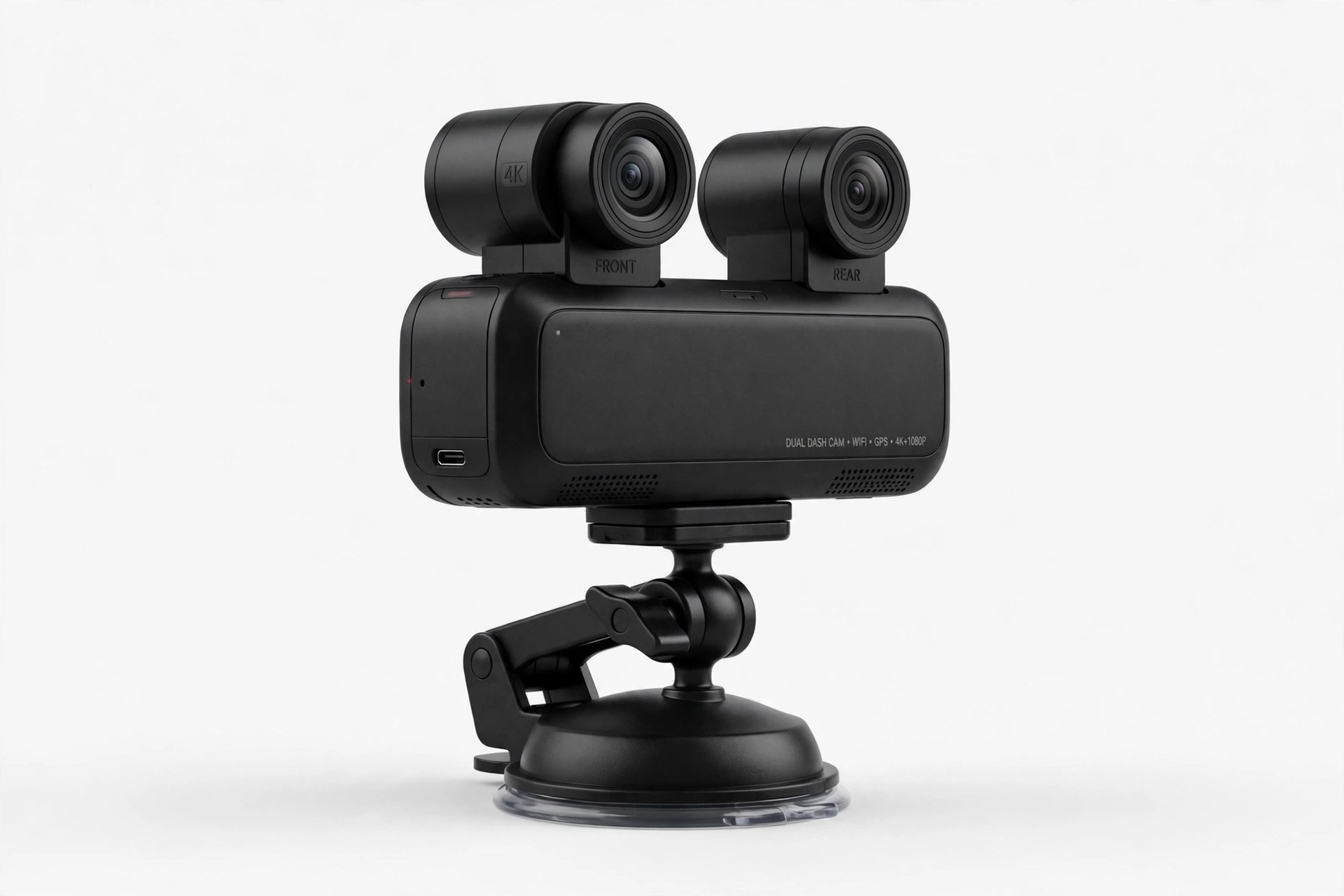
How to source dash cams from China in 2026: dual 4K front + 1080P rear, STARVIS sensor night tests, loop recording and G-sensor locks, heat and parking-mode che···
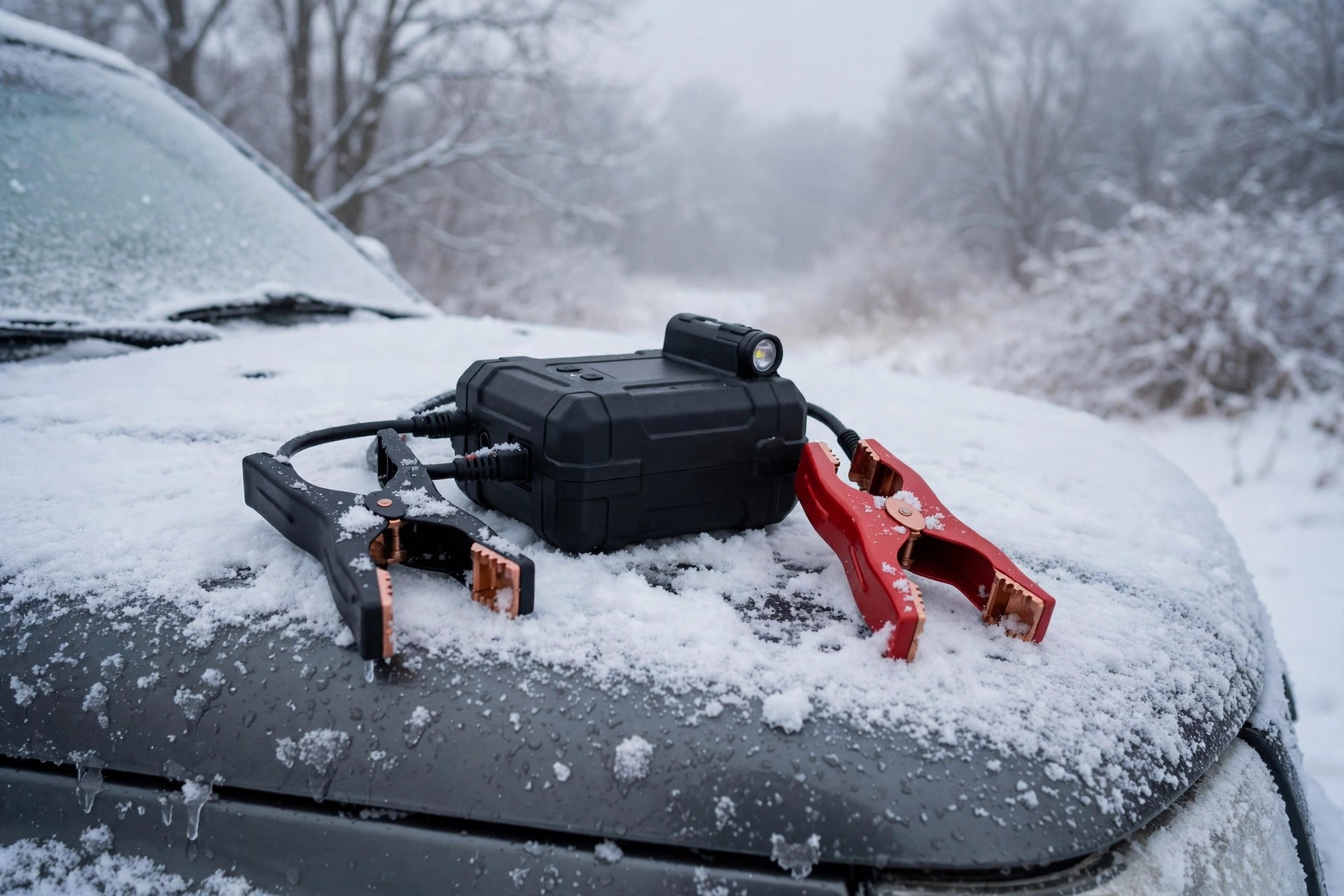
Как заказать пусковые устройства из Китая в Россию в 2026 году: реальные и заявленные пико···
How to buy from 1688 without speaking Chinese in 2026: browser translation, image search and Chinese keywords, reading price tiers and supplier badges, landed c···