One-stop comprehensive solution provider
Short answer: Start from your own original artwork, order a pre-production sample, and check the fabric, filling, stitching and embroidery against that artwork before you pay for bulk — custom plush runs roughly FOB $1.50–$8 per piece at a 100-piece MOQ per design. Ask for EN71, ASTM F963 and CPSIA test reports for the exact fabric and filling, and never order a licensed character without written authorisation. Sea freight for Christmas is already cut off; air freight is the only way to land stock before the holidays.
Custom plush is the quiet winner of this year's gift season. TikTok Shop's collectibles category grew 230% year on year in October, cute animal plush led the platform's toy sales, and plush dominated Amazon's November toy chart too. The risk is not the product — it is the gap between the artwork you approve and the plush that arrives in the box. This guide covers how to close that gap, what paperwork to demand, and why the Christmas clock matters more than the price.
1. Start from your artwork, not a catalogue photo
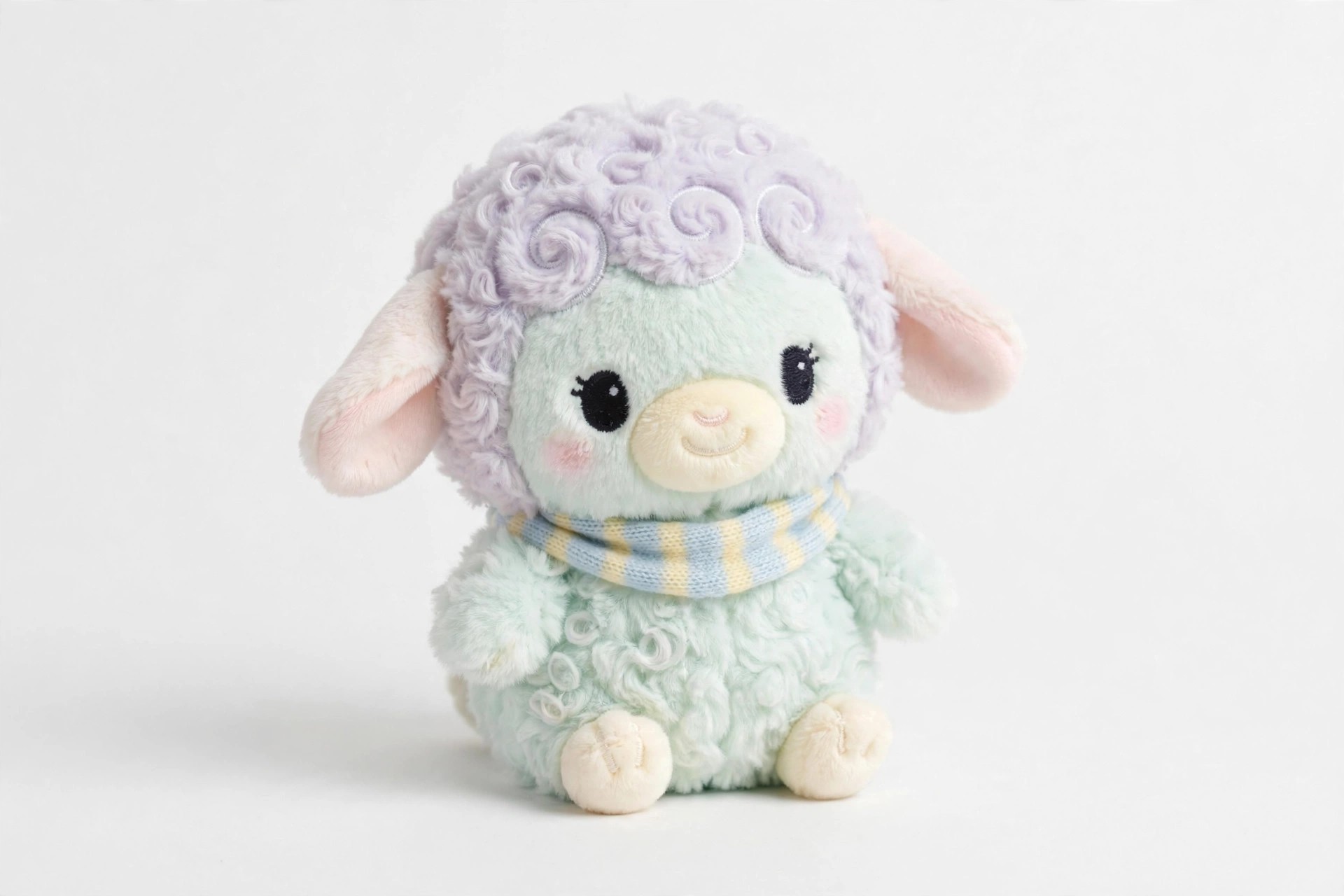
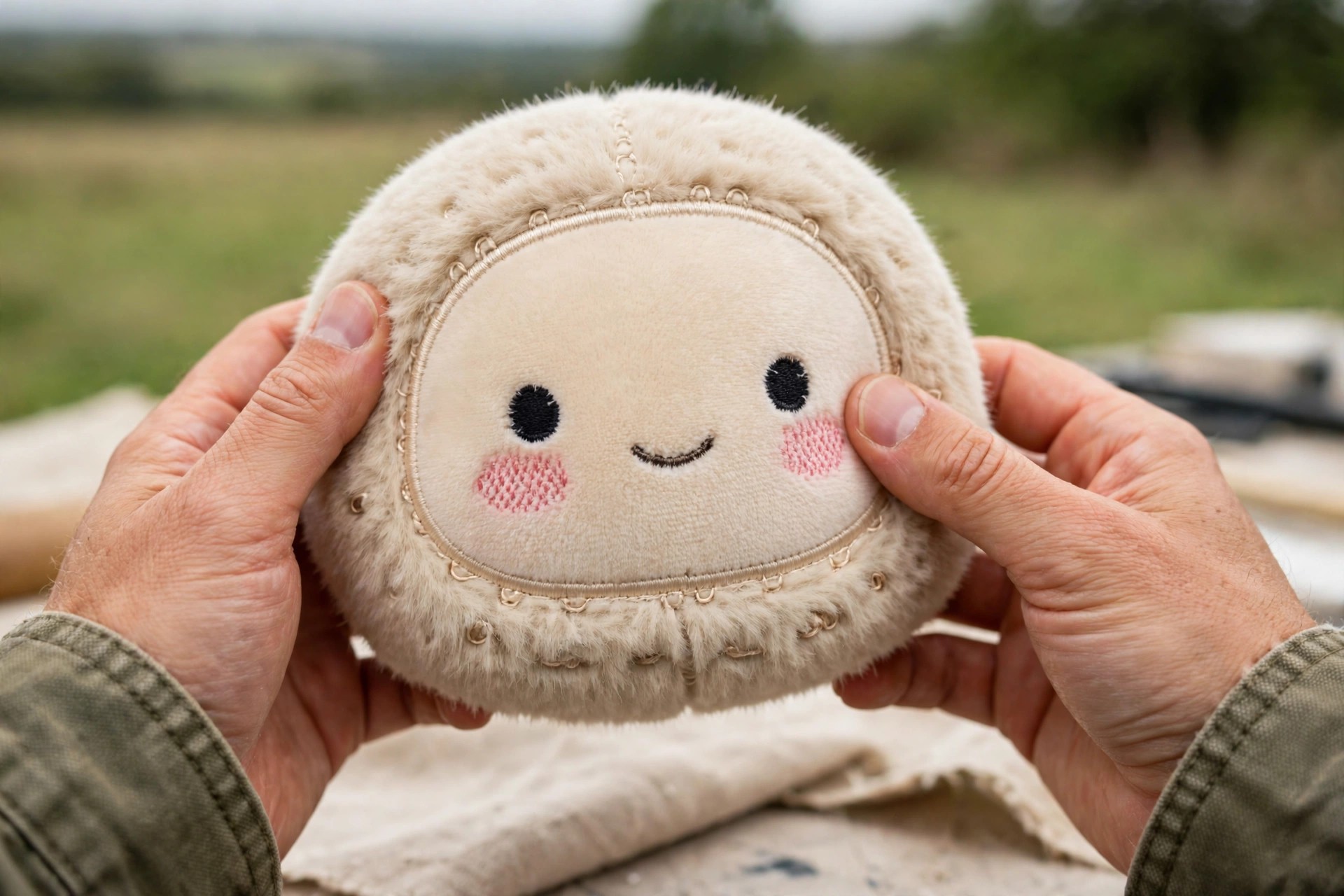
Custom plush begins with your design, and that is where most first orders go wrong. A factory's catalogue photo shows you what they already make; it tells you nothing about whether they can make yours. Send your artwork first — the character, the proportions, the colours, the size — and ask for a pre-production sample made from that artwork, not a stock plush with your tag sewn on. The sample is the whole order in miniature: check the face first, because the face is where a plush lives or dies. Embroidery that is slightly off-centre or eyes that sit too high reads as wrong to a buyer, and none of it shows up in a factory photo. Confirm the size and colour against the approved artwork with the sample in hand, and get the factory to confirm in writing that bulk production will match the approved sample. If a supplier will not make a pre-production sample from your artwork, they are not a custom plush factory — they are a stock seller.
2. Fabric, filling and stitching: what the sample must prove
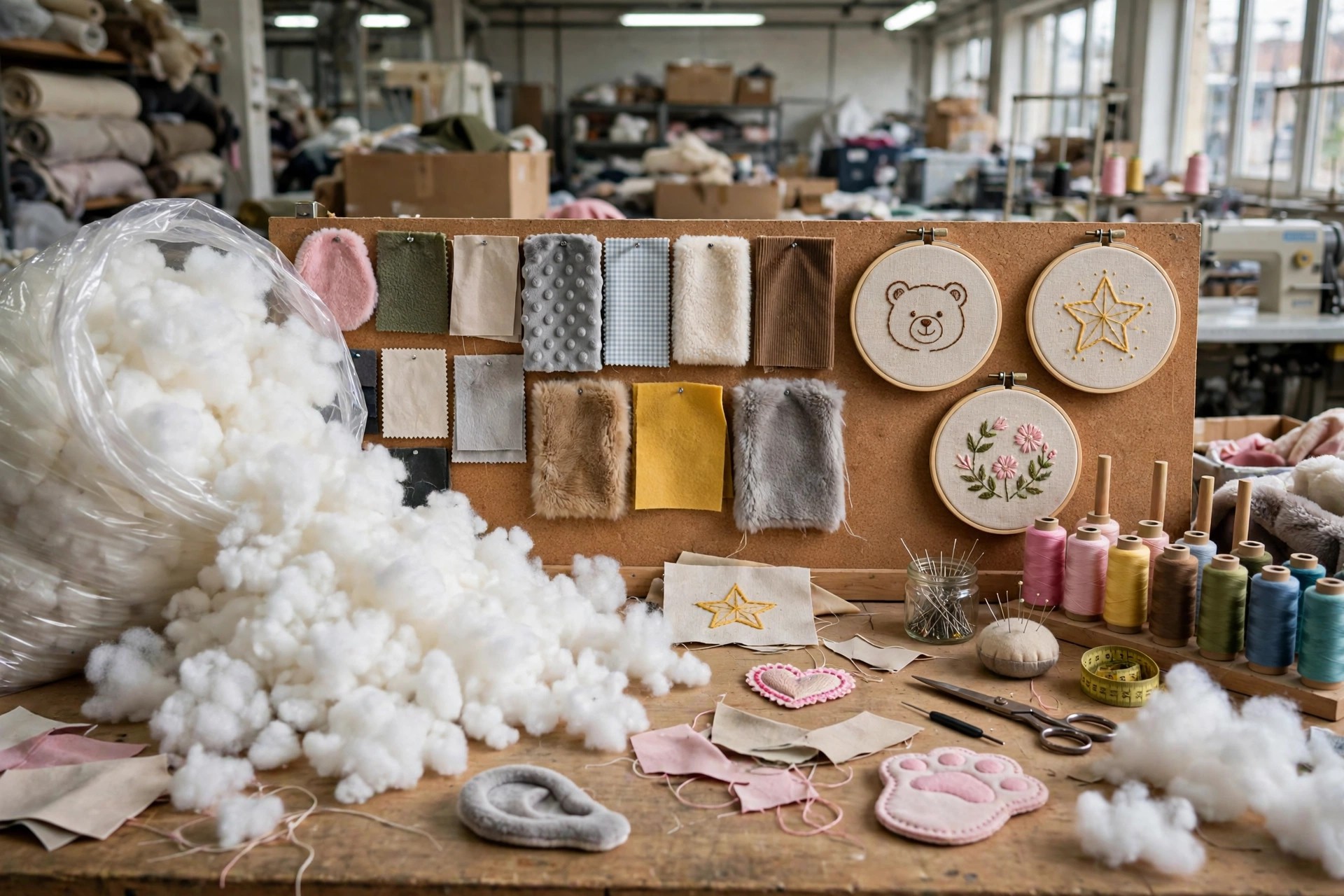
The sample has three jobs, and you should test all three before you approve it. First, the fabric: feel it, stretch it, and check the colour against your artwork under normal light — plush fabric shades shift between dye lots, so ask the factory to confirm the bulk fabric comes from the same dye lot as the sample. Second, the filling: squeeze the plush firmly and check that it springs back, then ask what the filling actually is. The classic trick in this category is a sample stuffed with good filling and a bulk run stuffed with cheaper, lumpy substitute — so put in writing that the filling in bulk matches the sample, and check it again on the bulk sample before shipment. Third, the stitching and embroidery: pull the seams gently, check the embroidery density on the face, and look at the back of the embroidery for loose threads. A plush that sheds stuffing or loses an eye in the first week becomes a return and a bad review. For the full checklist of what to verify before goods leave the factory, see our guide to pre-shipment inspection.
3. Safety paperwork: EN71, ASTM F963 and CPSIA
Plush toys are children's products in the eyes of every major market, and the paperwork is not optional. Before you pay a deposit, ask for the EN71 test report for the EU, the ASTM F963 report for the US, and CPSIA compliance documentation — for the exact fabric and filling you are ordering, not a generic report from another product. A factory that has shipped to the EU or US before will have these files ready; one that has to “ask the factory” for them is telling you it has never been asked. Check the report dates and the product description on them: a report for a different fabric does not cover yours. If you sell in the EU, confirm the CE marking paperwork matches the test reports; if you sell in the US, confirm the CPSIA children's product certificate names your product. A shipment stopped at customs for missing safety documentation is worth nothing, however cheap the plush was.
4. Price and MOQ: cheap per piece, but the design is the cost
Peer listings in November 2026 put custom plush roughly at FOB $1.50–$8 per piece, at a custom MOQ of 100 units per design. That low floor is what makes the category work for gift sellers, TikTok shops and small DTC brands: you can test a design with a hundred pieces instead of committing to a full production run. But read the MOQ carefully — it is per design, not per order, so five designs at 100 pieces each is 500 pieces, not 100. The per-piece price moves with size, fabric quality and embroidery complexity, so a simple 20 cm plush and a detailed 40 cm character are different products at different prices, and the sample will show which one you are buying. Treat the price ladder as a starting point, not a quote, and budget for two sample rounds, because the first one almost always needs a face or proportion fix.
5. The one rule you cannot break: original designs only
Only ever order plush of your own original design, or a design you hold written authorisation for. A plush of a licensed cartoon, film or game character without the rights holder's written permission is not a bargain — it is a customs seizure, a platform takedown, or a legal letter, and the factory that offered it to you will not be the one paying for it. If a supplier's catalogue is full of famous characters at suspiciously low prices, walk away. Your own character, your own artwork, your own brand tag — that is the product that builds a repeatable business. See our Custom Kawaii Plush Toy product page for a live example of this category.
6. The Christmas clock: sea freight is gone, air freight is the only lane
If you want plush on shelves for Christmas, order now and ship by air. Sea freight for the holiday season cut off around mid-November, so a bulk order placed this week will not arrive by sea before Christmas — air freight is the only lane left, and it costs more per piece, so build it into your landed cost before you commit. Black Friday is November 27 and Cyber Monday is November 30, and TikTok Shop's Black Friday sale runs through the month, so the demand window is open right now — but only for stock that is already on its way or flying. A plush that arrives on December 26 is a January product, not a Christmas one, and no discount fixes that.
7. FAQ
How many pieces do I need to order?
Custom plush starts at about 100 units per design. That is per design, not per order — five designs means 500 pieces. Treat the first 100 as a market test, not your production run.
What safety reports do I need?
Ask for EN71 for the EU, ASTM F963 for the US, and CPSIA documentation, all for the exact fabric and filling in your order. Check the report dates and product description — a report for a different fabric does not cover yours.
Can I order a plush of a famous cartoon character?
Only with the rights holder's written authorisation. Without it, the shipment risks seizure at customs and takedown from your sales platform. Order original designs only.
Start with the sample, not the bulk order
Custom plush rewards buyers who approve a sample against their own artwork before they talk volume. Test the fabric, the filling and the stitching on that sample, get the safety reports for the exact materials, and only then place the bulk order — by air, if it is for Christmas. See our Custom Kawaii Plush Toy product page for a live example of this category. If you want help finding and vetting suppliers, our $129 Sourcing Trial covers five suppliers, a side-by-side comparison, and a recommendation — see our Pricing page for details.
How to source dash cams from China in 2026: dual 4K front + 1080P rear, STARVIS sensor night tests, loop recording and G-sensor locks, heat and parking-mode che···
Как заказать пусковые устройства из Китая в Россию в 2026 году: реальные и заявленные пико···
How to buy from 1688 without speaking Chinese in 2026: browser translation, image search and Chinese keywords, reading price tiers and supplier badges, landed c···