
One-stop comprehensive solution provider
Smart rings are the wearable category to watch in late 2026. Oura’s latest ring made Adobe’s Black Friday hot list, and the factories in Shenzhen that build the sensors, batteries, and charging cases for these rings are now offering the same hardware to private-label buyers at a fraction of the retail price. Factory prices run $8–$35 depending on sensors and materials, with OEM orders starting at 200–500 units, while retail rings sell for $30–$300. The gap is real, but so is the risk: two rings can look identical in a listing photo while one tracks your heart rate accurately and the other just guesses. This guide covers how to tell them apart before you order.
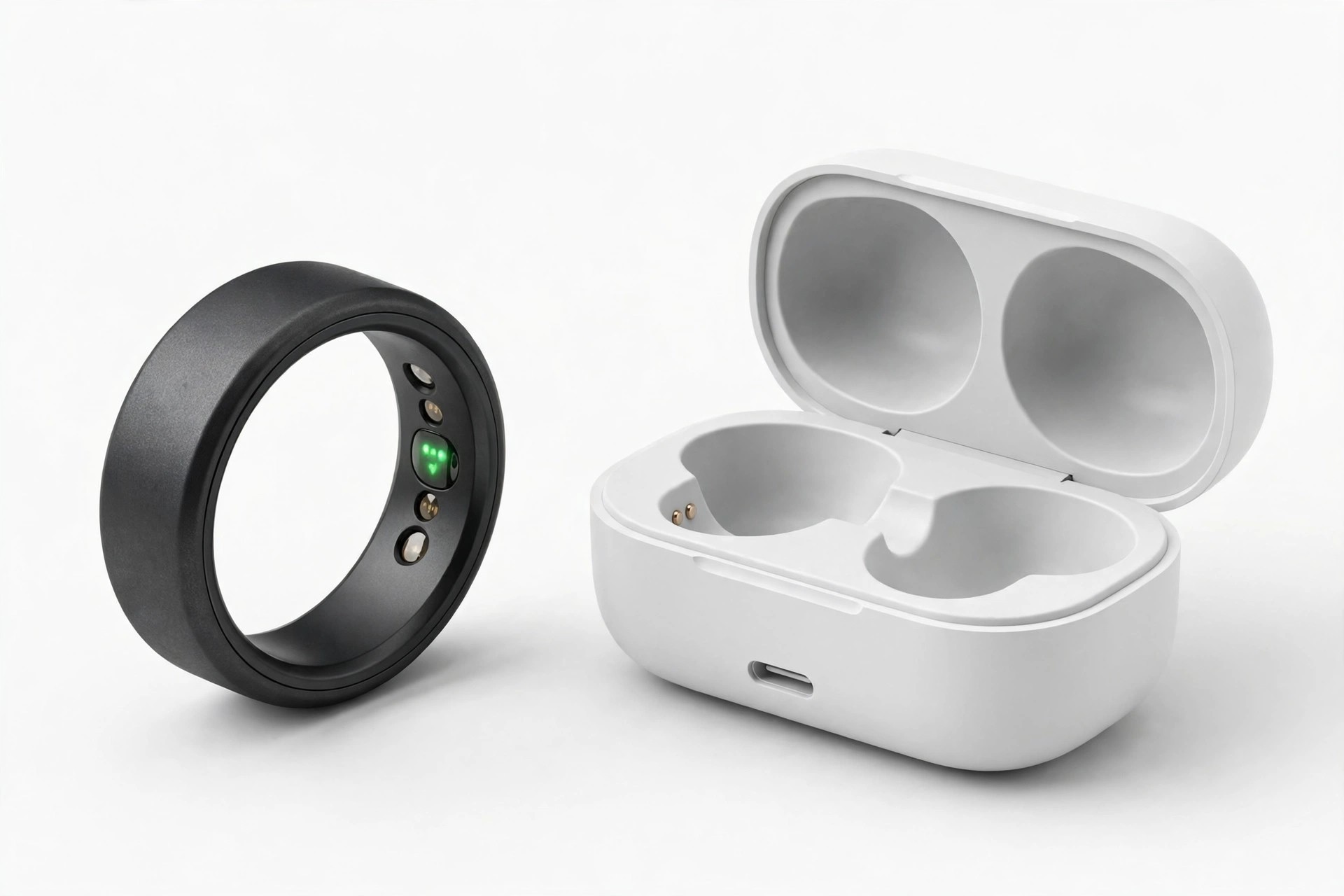
1. Where the factories are, and what each place does best
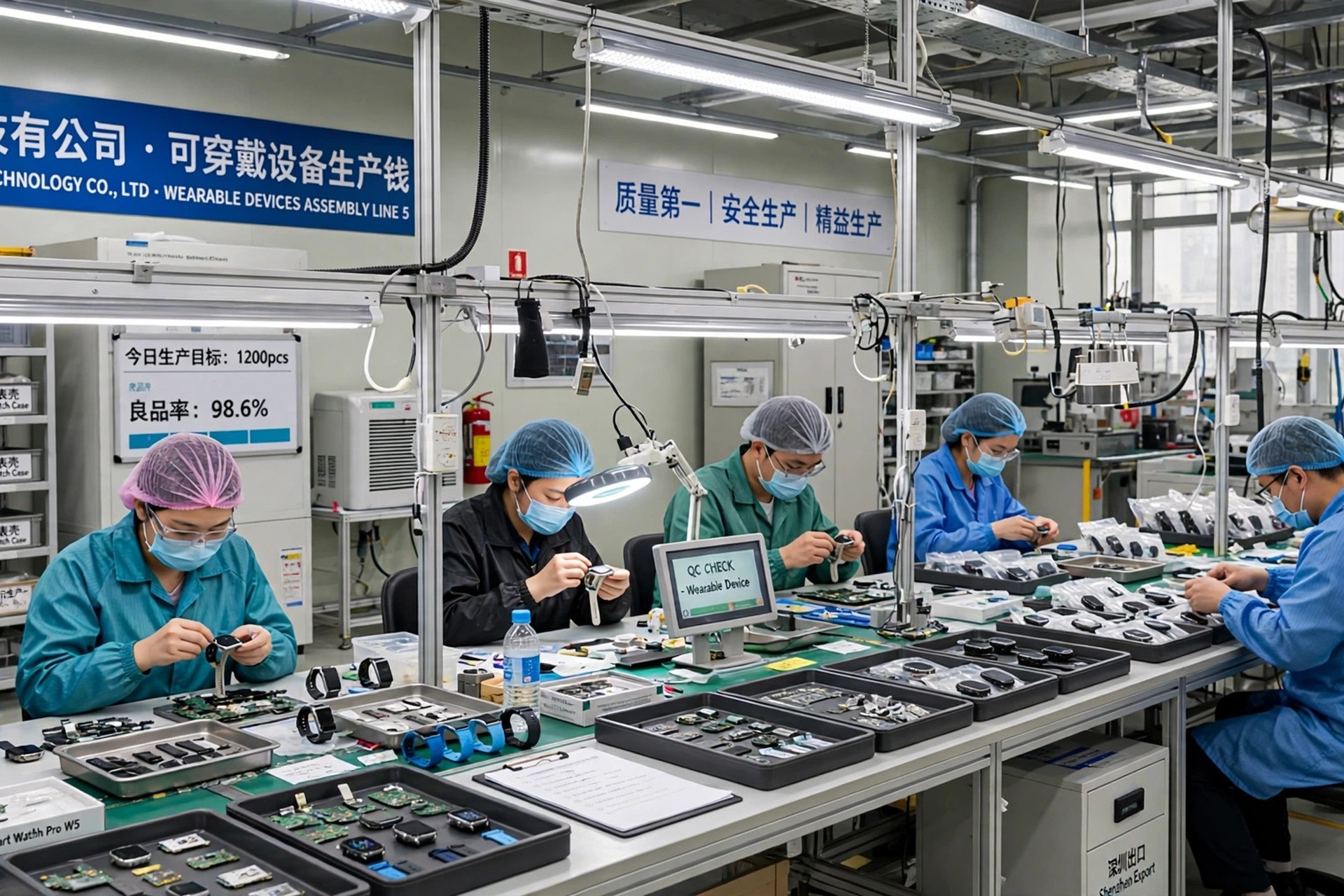
Shenzhen makes almost all of it. The wearable supply chain — optical heart-rate sensors, tiny lithium batteries, titanium and ceramic shells, and the charging cases — is concentrated in Shenzhen and Dongguan. Shenzhen factories tend to design their own sensor boards and apps, and they are the ones to ask about accuracy data. Dongguan leans toward larger orders and lower unit costs, with longer lead times. Guangzhou has smaller assembly shops that are flexible on low MOQs but often buy the sensor module from Shenzhen, so their quality depends entirely on which module supplier they use. If a supplier is not in Guangdong, ask where the sensor module comes from. A factory that builds its own board will answer in detail; a trader will change the subject.
2. Compare the same spec, not the same price
Listings advertise wildly different prices for what looks like the same ring. The only fair comparison is a fixed spec sheet. Ask every supplier to quote this exact configuration: heart-rate and blood-oxygen sensors, sleep tracking, 7-day battery life, Bluetooth 5.3, IP68 waterproofing, titanium or stainless-steel shell, charging case included, and a stated app with no mandatory subscription. Then compare the quotes side by side.
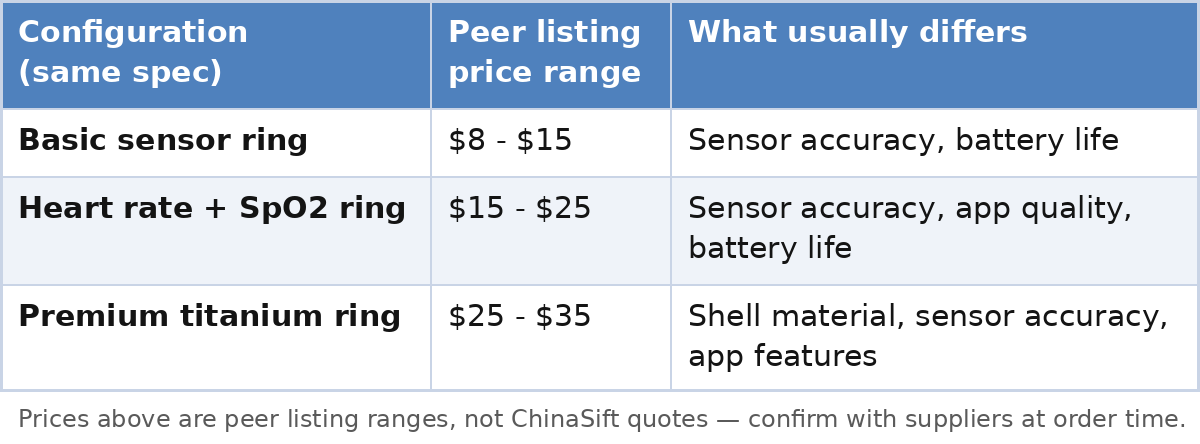
Prices above are peer listing ranges, not ChinaSift quotes — confirm with suppliers at order time. The pattern to watch: a quote far below the range almost always means a cheaper sensor, a smaller battery, or a claimed battery life that only holds with tracking switched off. Also check the app: some low-cost rings only work properly with a paid subscription, which your customers will blame on you, not on the factory.
3. The four tests that catch bad samples
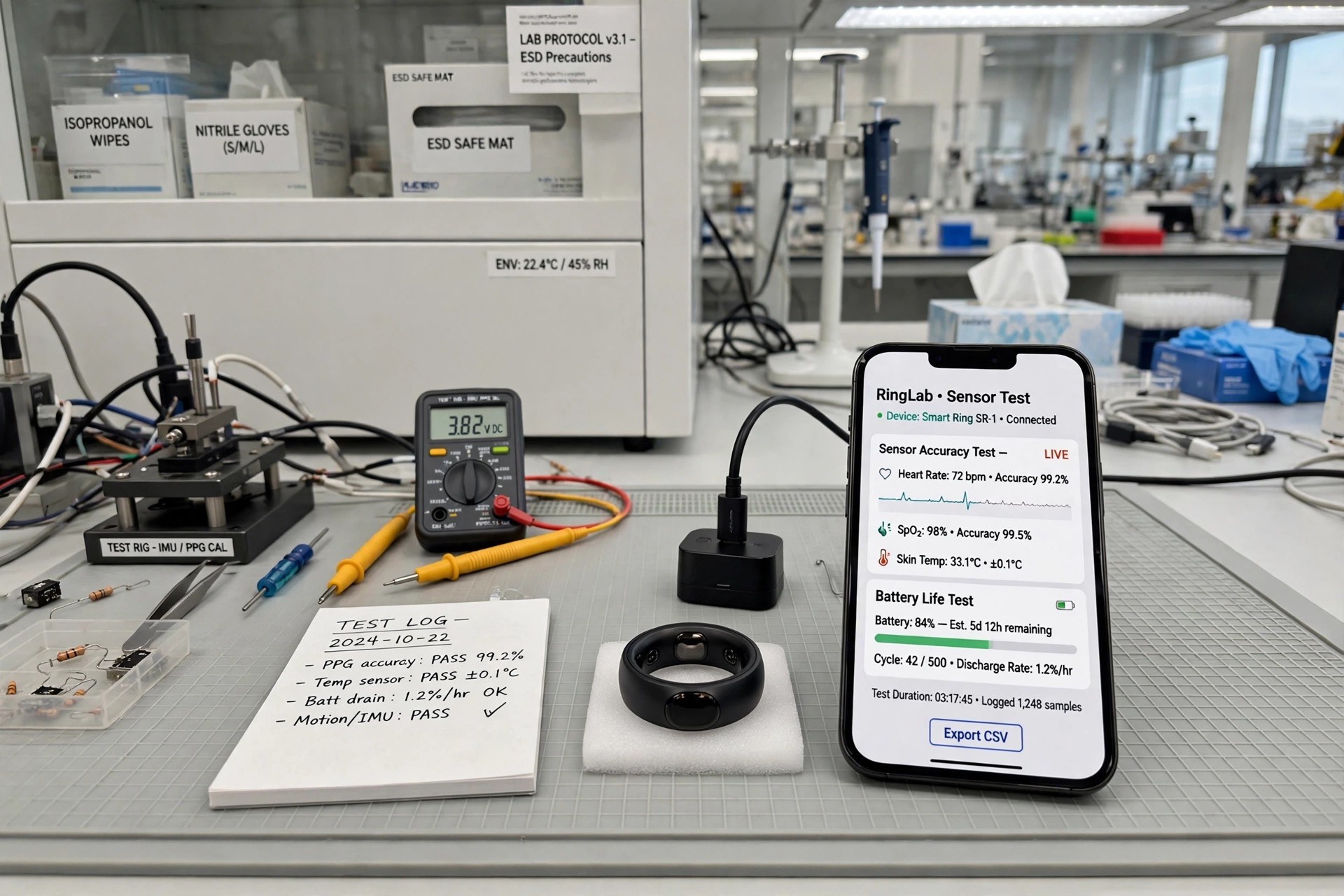
Order samples from three suppliers and test them the same way, in real use, not on a desk. First, wear the ring and a known-accurate device at the same time for a full day and compare the heart-rate and sleep numbers — a good sensor tracks within a few beats per minute, a bad one drifts. Second, run the ring until the battery dies and time it — claimed 7 days often turns out to be 3. Third, test the sizing kit: rings come in sizes, and a supplier without a sizing kit will leave you with returns. Fourth, pair the ring with both an iPhone and an Android phone and check the app syncs, updates, and exports data on both. A supplier whose sample fails any of these tests will not get better at 500 units.
4. Private label: cost, MOQ, and certification timeline
Private label is straightforward for this category. Logo engraving on the ring and charging case is usually free or $0.20–$0.50 per unit at 500+ units; custom packaging adds $0.50–$1.50 per unit. Typical MOQ is 200–500 units for logo engraving and 1,000 units for a fully custom color or case design. Lead time is 20–30 days after sample approval, plus shipping. For the US and EU, ask for CE, FCC, and RoHS reports before you pay the deposit, and confirm the battery has UN38.3 certification for air freight — a ring without it can be stopped at customs, and re-testing after production costs far more than checking the paperwork first. Budget 2–3 weeks if the factory needs to run a new certification for your brand.
5. FAQ
Do smart rings need a subscription?
Some do, some do not. Oura charges a monthly fee for full app features, and some Chinese suppliers copy that model. Ask before you order whether the app is free, what features sit behind a paywall, and whether your brand can remove the subscription. Your customers will judge the product on this.
How many units should I order for a first trial?
200–500 units is the usual entry point for private label. Below that, most factories charge a setup fee or refuse custom engraving. Order samples first — three suppliers, one ring each, plus the sizing kit — before committing to any volume.
What should I check during a pre-shipment inspection?
Test sensors on every sampled unit, not just one: heart-rate readings, charging case charges the ring, confirm the engraved logo matches your artwork, and verify the battery capacity on the label matches the spec sheet. For a full inspection checklist, see our guide to pre-shipment inspection.
Start with samples, not with a bulk order
A smart ring is a small product with a lot of hidden quality gaps — sensor accuracy, battery life, sizing, and the app all vary between factories that quote nearly the same price. The buyers who get burned are the ones who skip samples and order on price alone. Test three samples, compare them on the same spec sheet, and only then negotiate volume. See our Smart Ring product page for a live example of this category. If you want help finding and vetting suppliers for this category, our $129 Sourcing Trial covers five suppliers, a side-by-side comparison, and a recommendation — see our Pricing page for details.
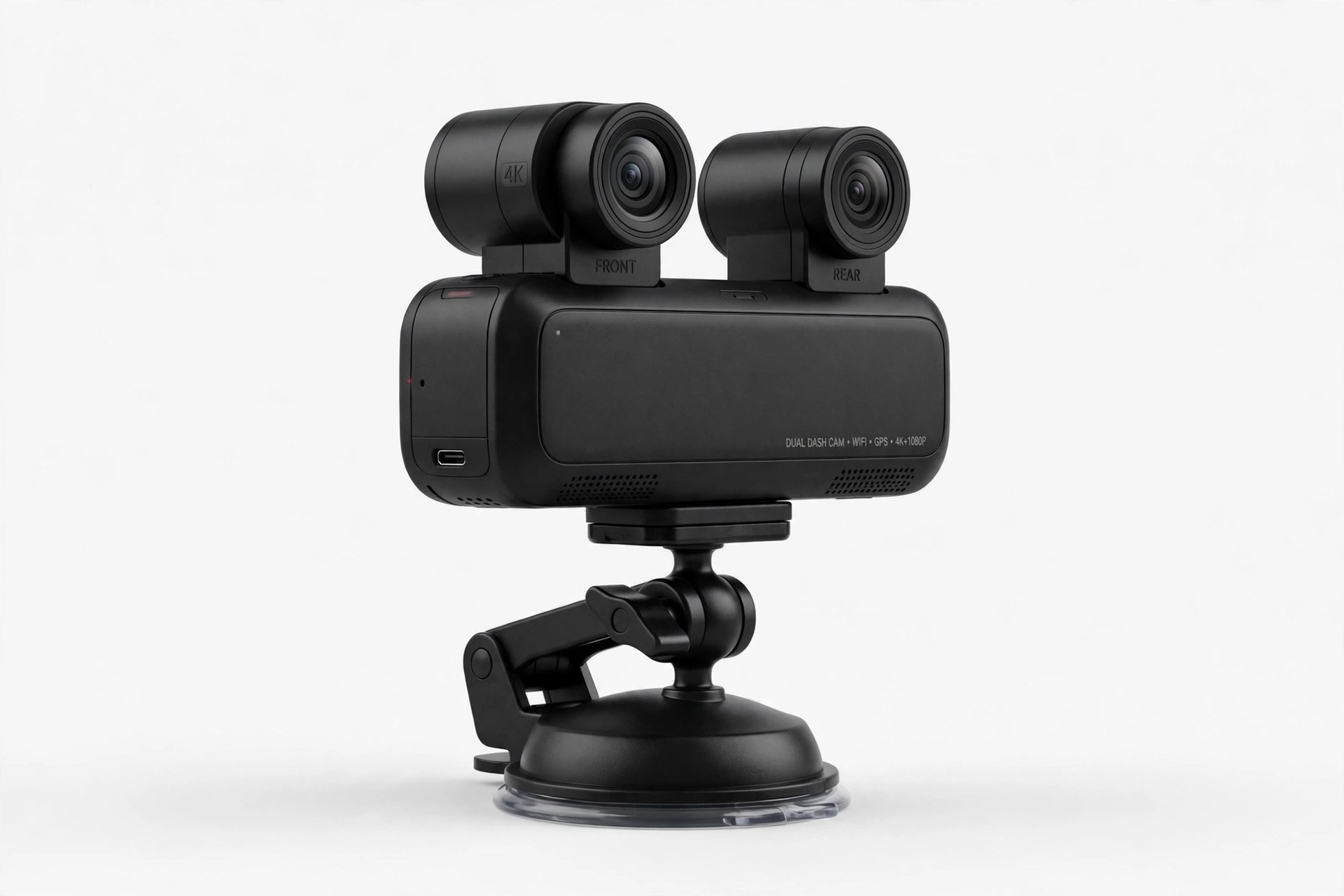
How to source dash cams from China in 2026: dual 4K front + 1080P rear, STARVIS sensor night tests, loop recording and G-sensor locks, heat and parking-mode che···
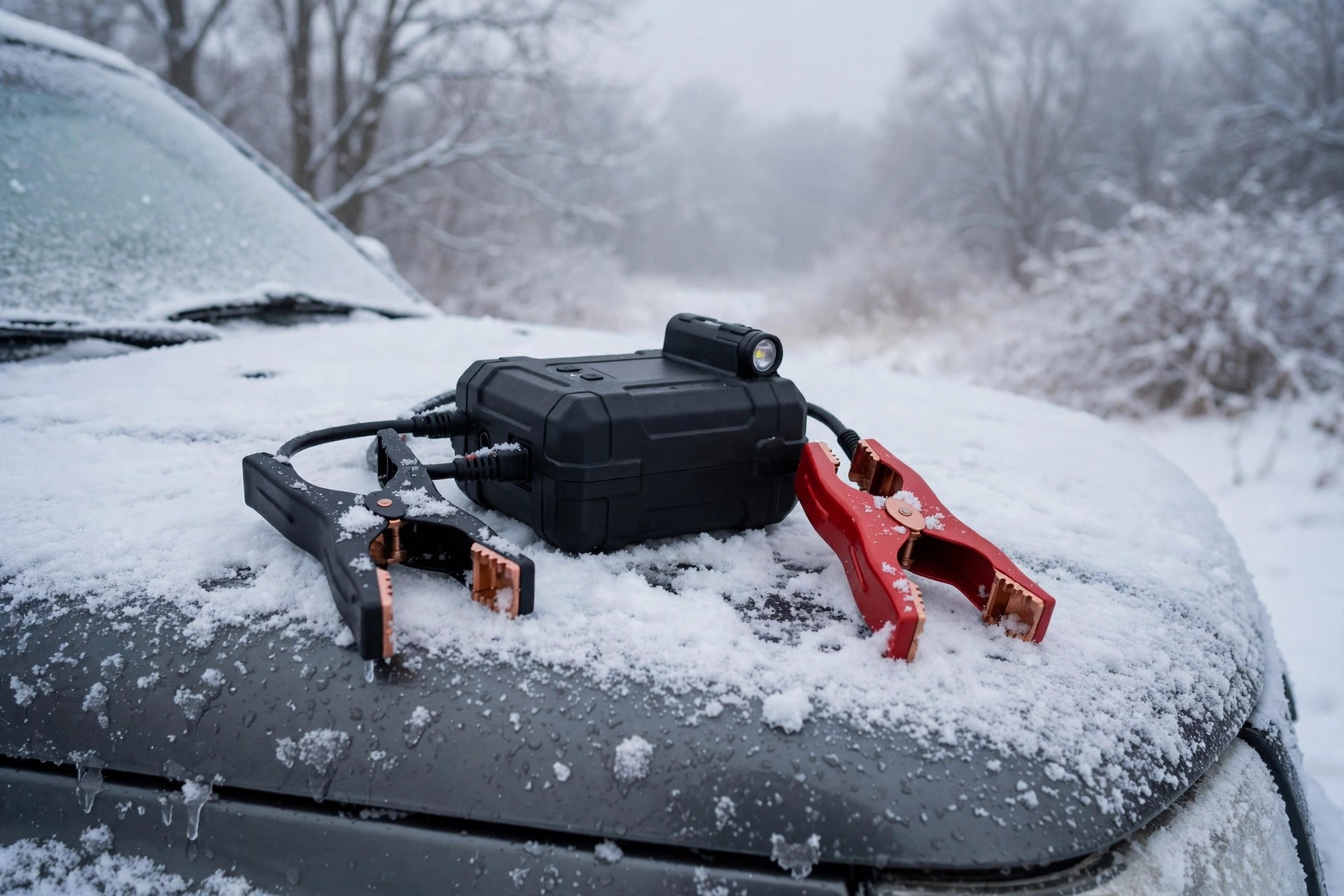
Как заказать пусковые устройства из Китая в Россию в 2026 году: реальные и заявленные пико···
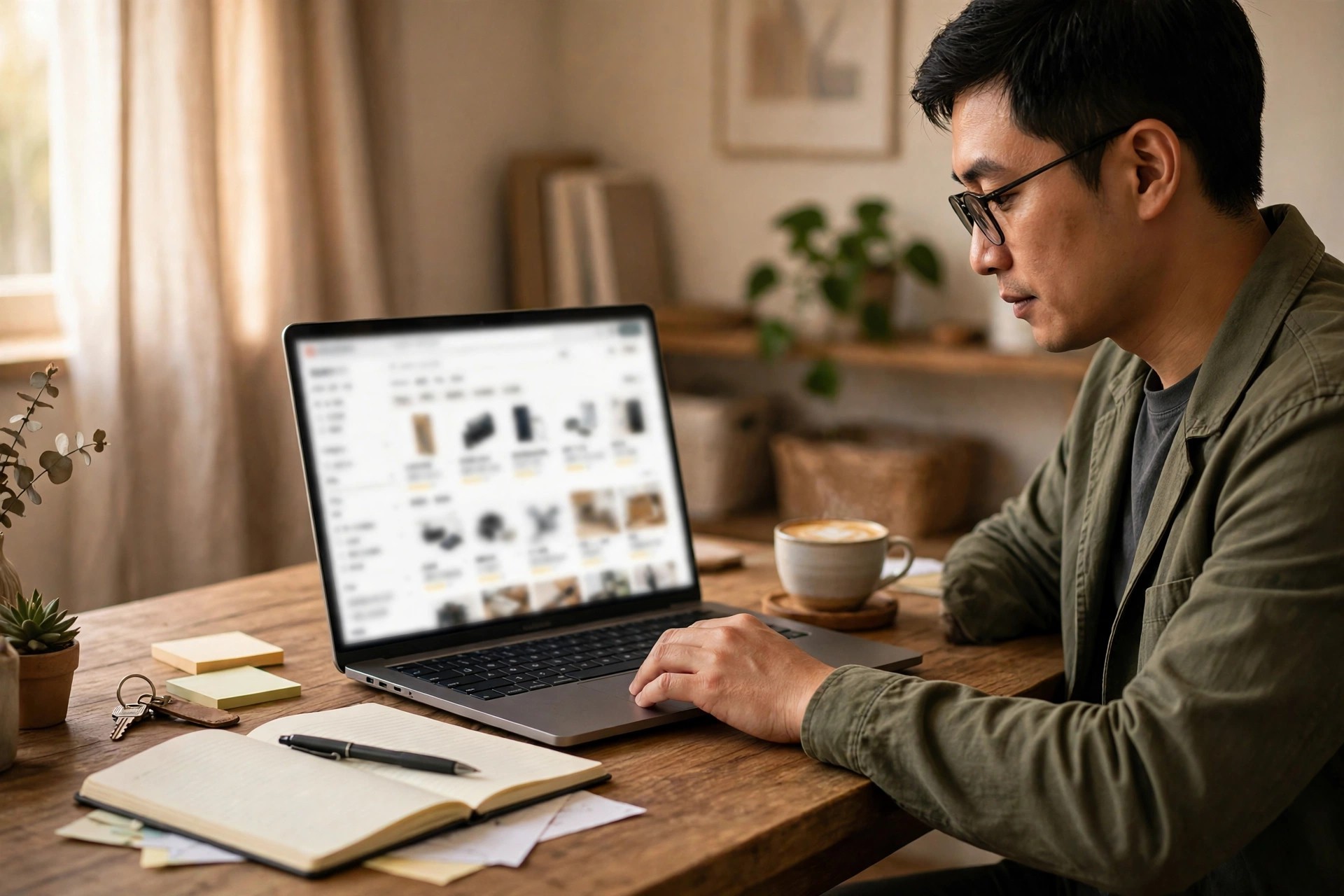
How to buy from 1688 without speaking Chinese in 2026: browser translation, image search and Chinese keywords, reading price tiers and supplier badges, landed c···