One-stop comprehensive solution provider
Short answer: Yes — you can source disposable vapes from China without getting seized, but only if the supplier holds a tobacco export licence and the compliance file for your market (FDA PMTA for the US, TPD notification for the EU, MHRA notification for the UK), plus UL battery certification and UN38.3 for air freight. Check those files before you pay any deposit; price comes last.
Disposable vapes are the category distributors keep coming back to, and the one most buyers are afraid to source themselves. Over 90% of global production sits in Shenzhen, the factories are easy to find, and the paperwork is where shipments die. A container of vapes with the wrong compliance file does not get a discount at customs — it gets seized, and the deposit is gone with it. This guide covers how to buy like a distributor: check the paperwork first, compare the same spec, test samples from the exact production batch, and only then talk price.
1. Where the factories are, and what each place does best
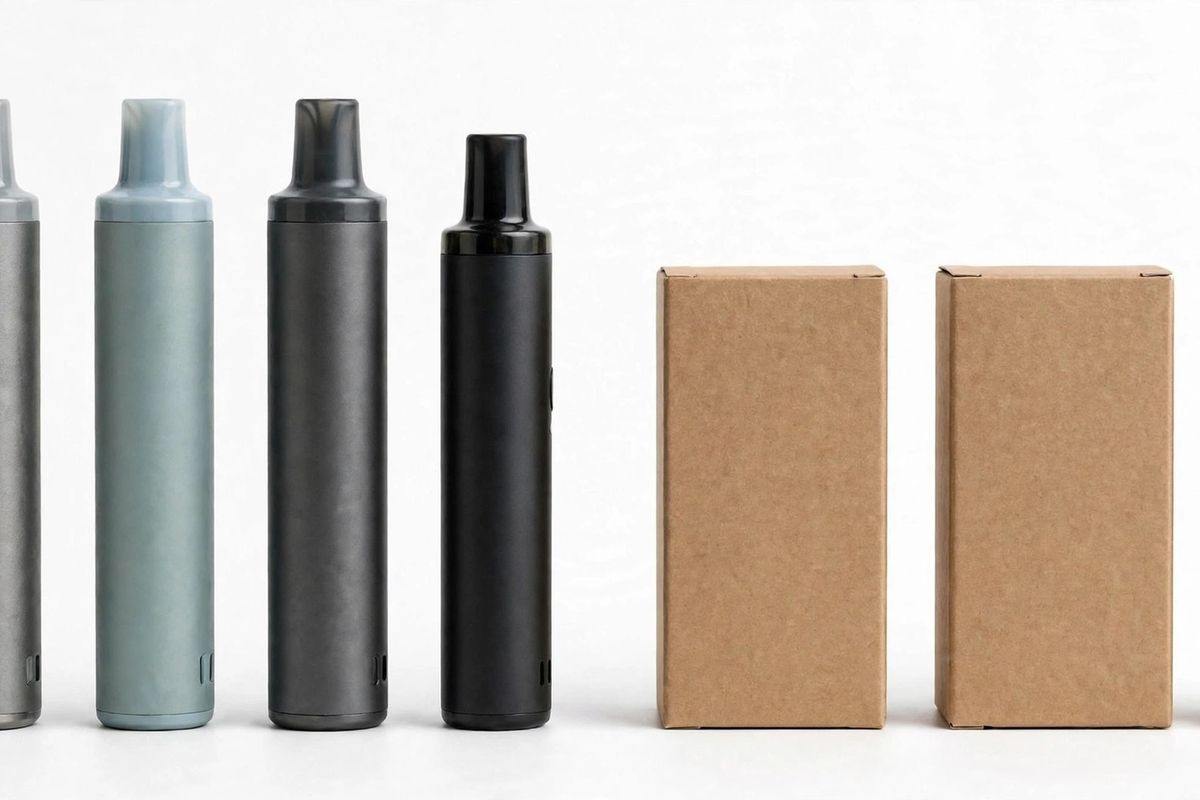
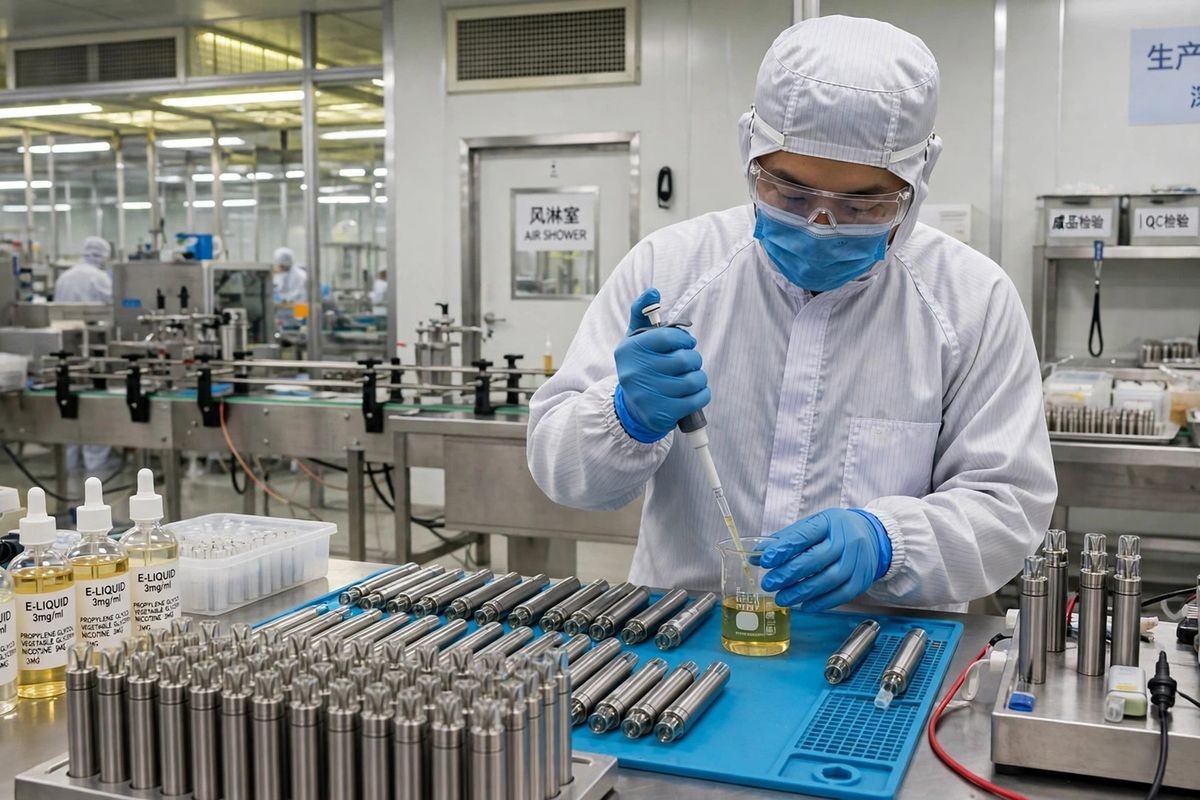
Shenzhen makes almost all of it. The battery cells, the e-liquid filling lines, the puff-count testing rigs, and the export packers are concentrated in Shenzhen and Dongguan. Shenzhen factories tend to hold the export licences and the compliance files themselves, and they are the ones to ask about PMTA and TPD paperwork. Dongguan leans toward larger orders and lower unit costs, with longer lead times. Smaller assembly shops elsewhere often buy the battery or the filled pod from Shenzhen, so their quality depends entirely on which upstream supplier they use. If a supplier is not in Guangdong, ask where the battery and the e-liquid come from. A factory that fills its own liquid will answer in detail; a trader will change the subject.
2. The compliance files that decide whether your shipment clears customs
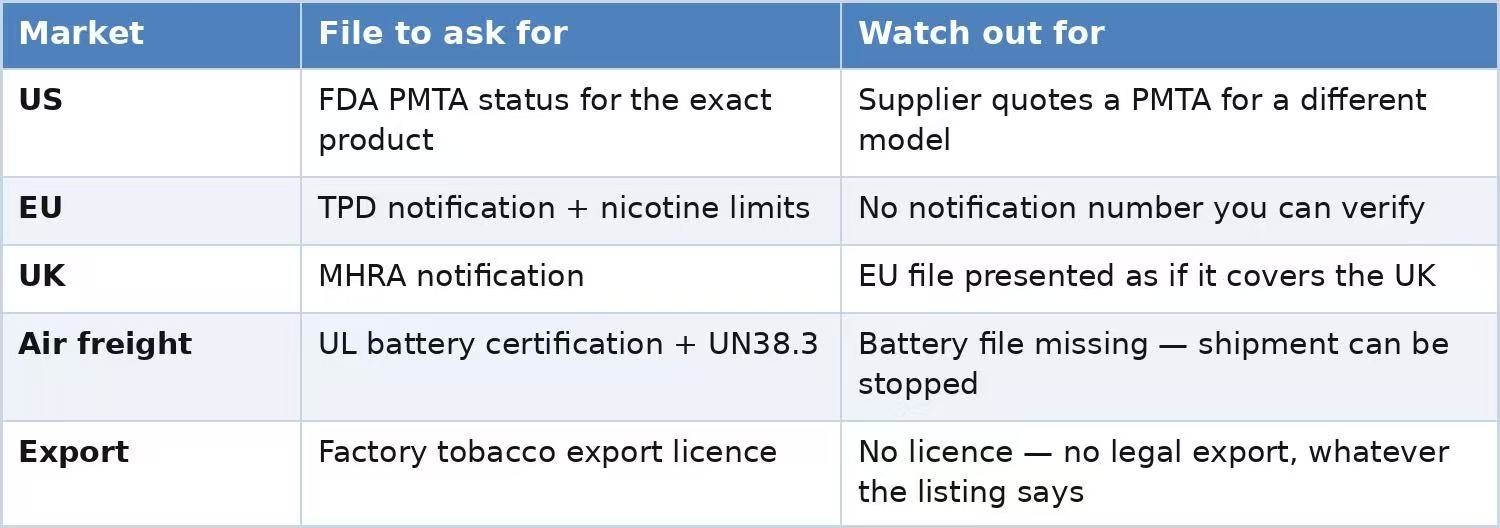
Before you ask for a price, ask for these documents — and ask for the version that matches your destination market, because a file that covers the EU does not cover the US.
For the US, the question is FDA PMTA status: whether the product has a pending or authorised Premarket Tobacco Product Application, and what happens to your shipment if it does not. For the EU, it is TPD notification and the nicotine-strength limits for your country. For the UK, it is MHRA notification. Everywhere, the battery needs UL certification and UN38.3 for air freight — a vape without UN38.3 can be stopped before it ever leaves China. And the factory itself needs a tobacco export licence: no licence, no legal export, whatever the listing promises.
Ask for the actual files, not a screenshot of a certificate number. Check the product name, the nicotine strength, and the puff count on the document against the product you are buying — a certificate for a different model is worth nothing. If a supplier cannot produce the file for your market, that is your answer: move on, however good the price looks. For the wider pattern of high-risk health categories, see our guide to sourcing Black Five health products without getting burned: sourcing Black Five health products without getting burned.
3. Compare the same spec, not the same price
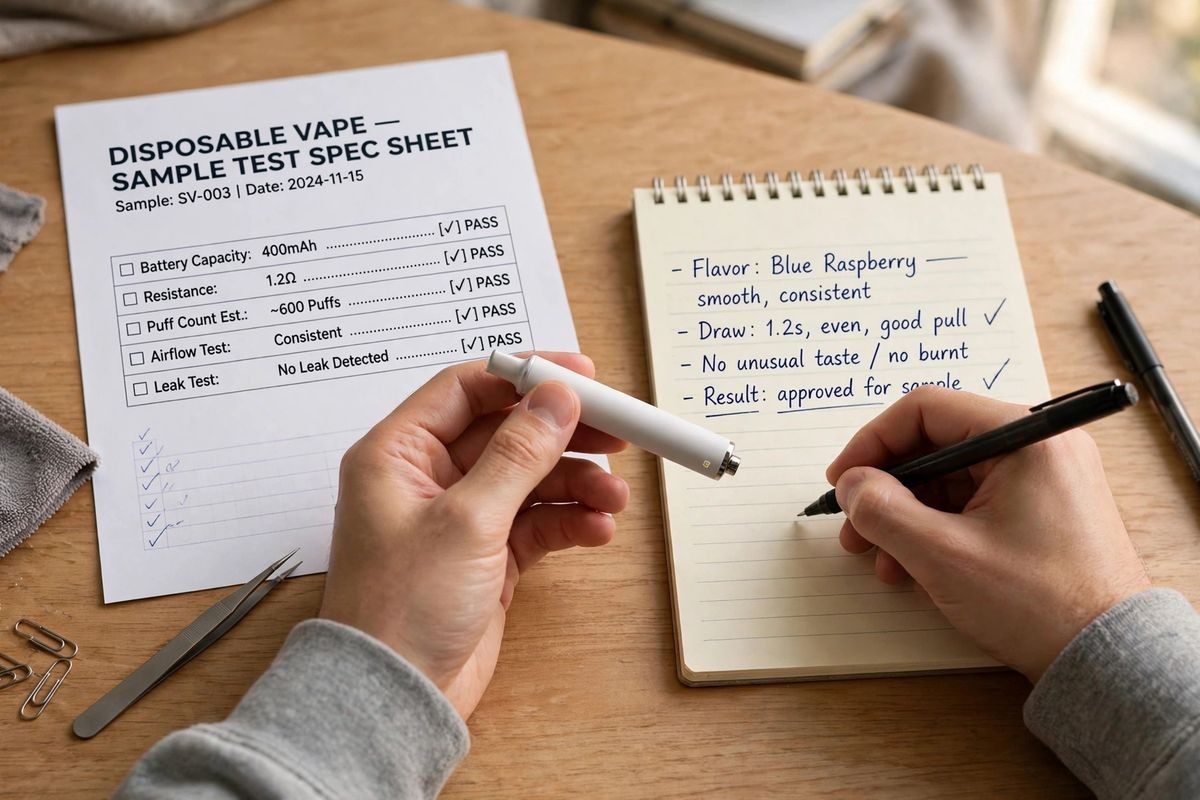
Listings advertise wildly different prices for what looks like the same vape. The only fair comparison is a fixed spec sheet. Ask every supplier to quote this exact configuration: stated puff count, battery capacity in mAh, e-liquid volume, nicotine strength, flavour list, and packaging included. Then compare the quotes side by side.

Prices above are peer listing ranges, not ChinaSift quotes — confirm with suppliers at order time. Peer listings in November 2026 put FOB prices roughly in the $1.80–$4.80 range at MOQs of 1,000–5,000 units. A quote far below the range almost always means an overstated puff count, a smaller battery, or e-liquid volume that does not match the label — treat all three figures as claims to verify, not facts.
4. The three sample tests that catch bad suppliers
Order samples from three suppliers and test the exact production batch you would receive, not a hand-picked golden sample. First, vape the sample down and count: a claimed 5,000 puffs that dies at 3,000 tells you everything. Second, weigh and measure it — e-liquid volume and battery capacity on the label should match what you can verify, and the flavour should match the listing. Third, check the packaging and the paperwork that travels with it: the nicotine warning, the batch number, and the compliance file for your market should all be present and consistent.
5. Payment terms, MOQ, and private label
Standard terms in this category are 30% deposit with 70% before shipment. Never pay 100% upfront to a supplier you have not verified, and never pay the balance before a pre-shipment inspection. Typical MOQ is 1,000–5,000 units for a standard unbranded run, and private-label printing on the device and the box is usually available from 5,000 units. Lead time is 15–25 days after sample approval, plus shipping, and air freight needs the UN38.3 battery file. For a full inspection checklist, see our guide to pre-shipment inspection: pre-shipment inspection.
6. FAQ
Can I legally import disposable vapes into the US?
It depends on the product’s PMTA status and on current enforcement, which changes. Do not rely on a supplier’s word: ask for the PMTA documentation for the exact product and talk to your customs broker before you pay a deposit. Rules differ by state as well as by country.
What is the usual MOQ for a first order?
1,000–5,000 units is the usual entry point for an unbranded run. Below that, most factories charge a setup fee or refuse the order. Order samples first — three suppliers, one batch each — before committing to any volume.
What should I check during a pre-shipment inspection?
Test the puff count and battery on sampled units from the actual batch, confirm the nicotine strength and e-liquid volume match the spec sheet, and check the packaging warnings, batch numbers, and the compliance file for your market. For the full checklist, see our inspection guide.
. Start with the paperwork, not the price
A disposable vape is a cheap product with an expensive failure mode: the unit cost is a few dollars, but a seized shipment costs the whole order. The buyers who get burned negotiate price first and ask about compliance last. Check the export licence and the compliance file for your market, test three samples from the exact batch, and only then negotiate volume. See our Disposable Vapes product page for a live example of this category. If you want help finding and vetting suppliers for this category, our $129 Sourcing Trial covers five suppliers, a side-by-side comparison, and a recommendation — see our Pricing page for details.
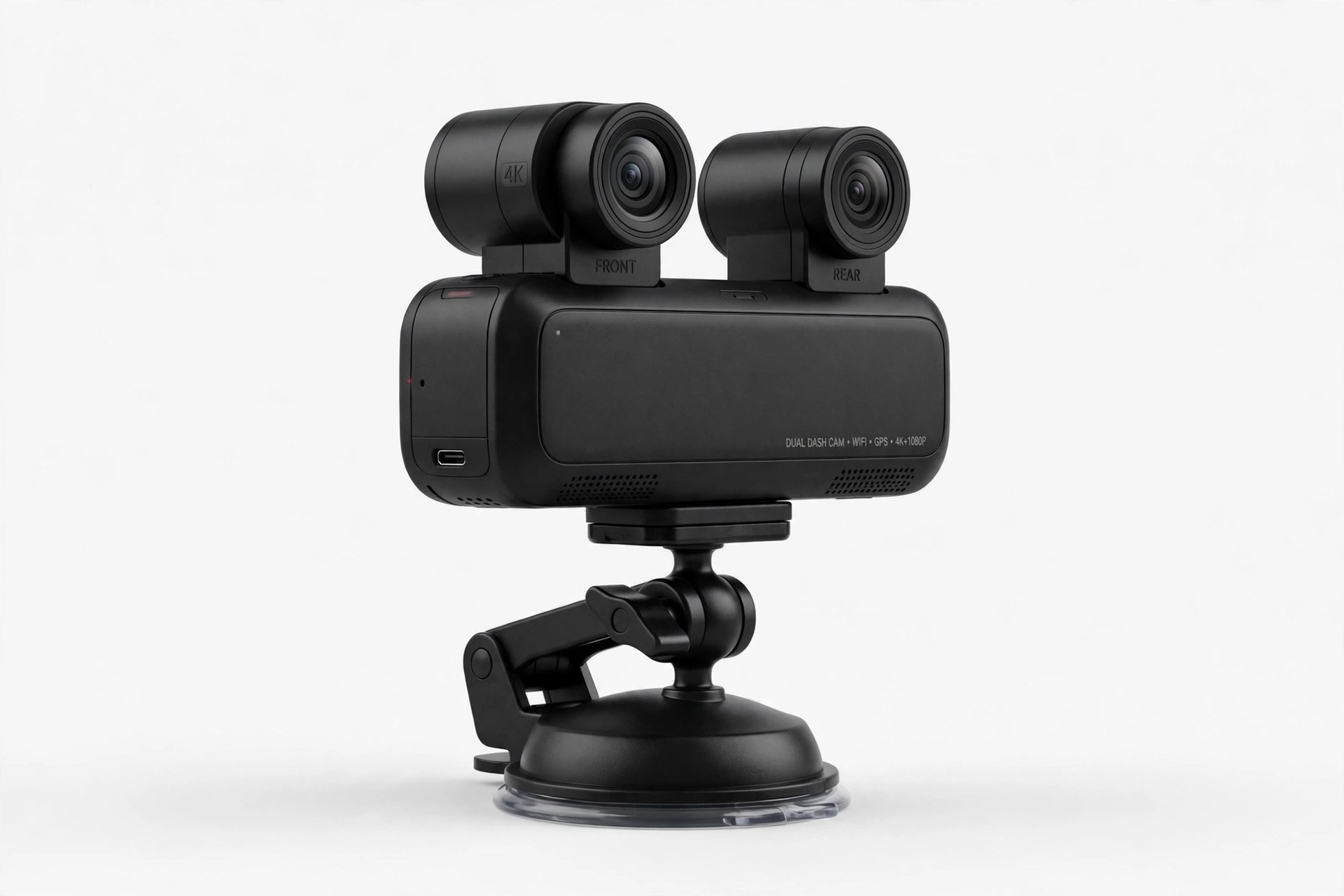
How to source dash cams from China in 2026: dual 4K front + 1080P rear, STARVIS sensor night tests, loop recording and G-sensor locks, heat and parking-mode che···
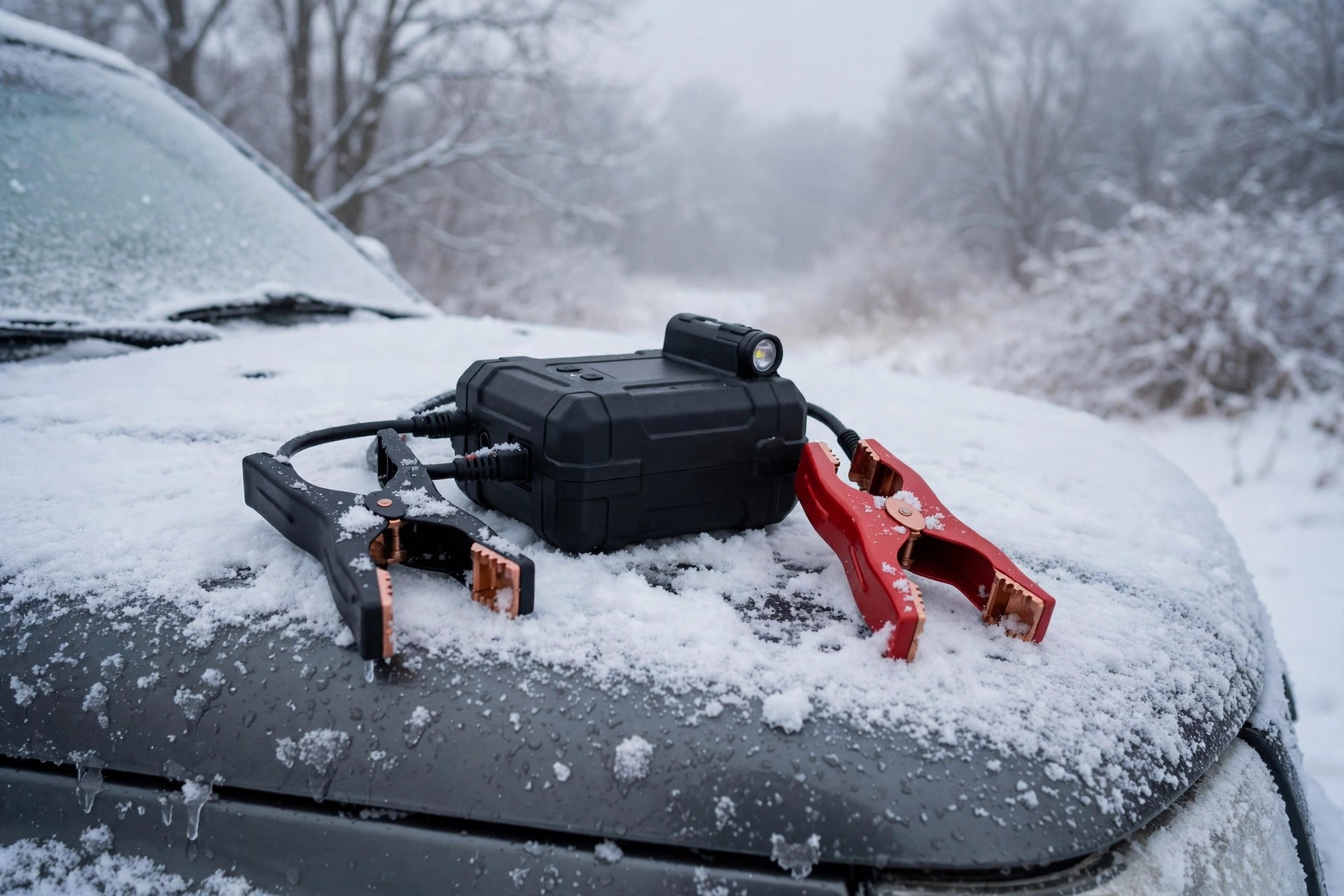
Как заказать пусковые устройства из Китая в Россию в 2026 году: реальные и заявленные пико···

How to buy from 1688 without speaking Chinese in 2026: browser translation, image search and Chinese keywords, reading price tiers and supplier badges, landed c···