One-stop comprehensive solution provider
Where building blocks are actually made
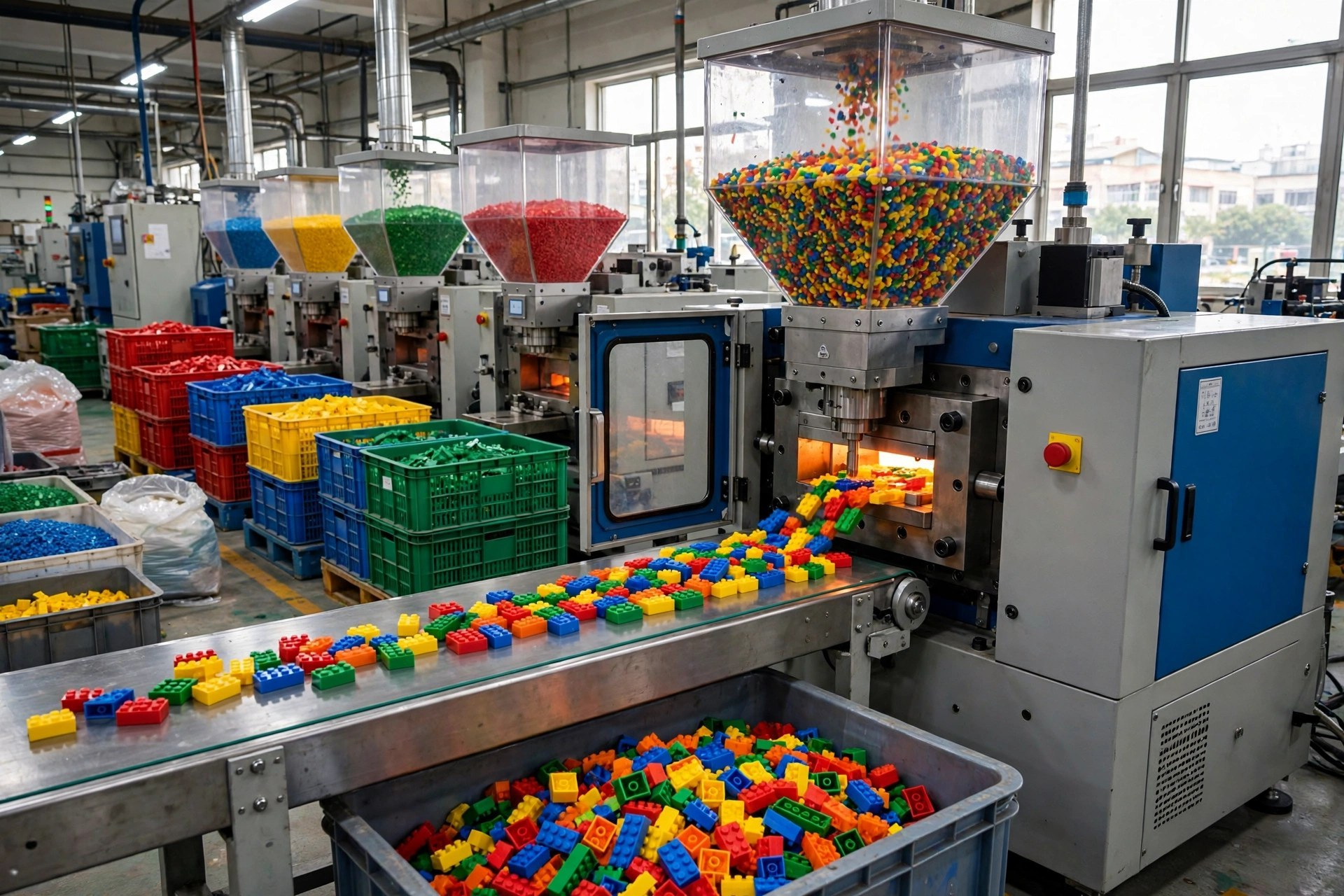
China does not make "building blocks" in one place. The right hub depends on the material, and picking the wrong one is how buyers pay for a factory that has to subcontract the hard part.
Shantou, Chenghai, in Guangdong, is the plastic-block capital. It has thousands of toy factories and a complete chain in one district: mould design, injection moulding, printing, packaging and export logistics. If you want interlocking ABS sets, magnetic sets or electronic blocks, start here.
Yiwu, Zhejiang, is the flexible, low-cost option, and it is especially strong for wooden blocks - peer guides put roughly 38% of China's wooden-block production there. Yiwu traders accept smaller and mixed orders more readily, but many are trading companies rather than factories, so factory audits matter more.
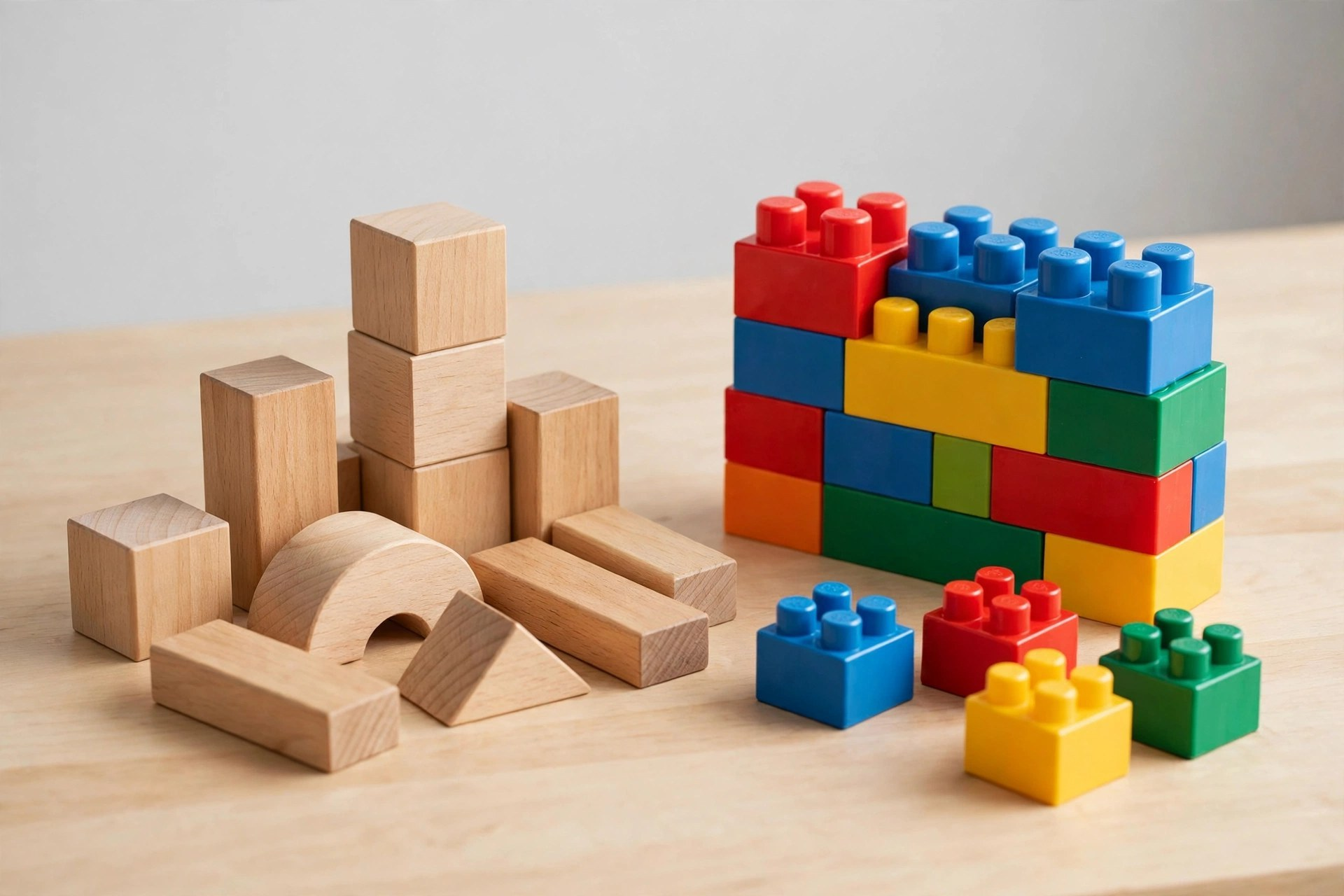
Rule of thumb: plastic interlocking sets - Chenghai first. Wooden unit blocks - Yiwu first. Then compare at least three suppliers on the same specification, not on catalogue photos.
Compare like with like: one specification, three quotes
Do not compare a 50-piece set with a 300-piece set and call the cheaper one a better deal. Fix one specification first, then ask every supplier to quote it. For example, a standard 100-150-piece ABS interlocking set, ages 4+, with a colour box and instruction sheet:
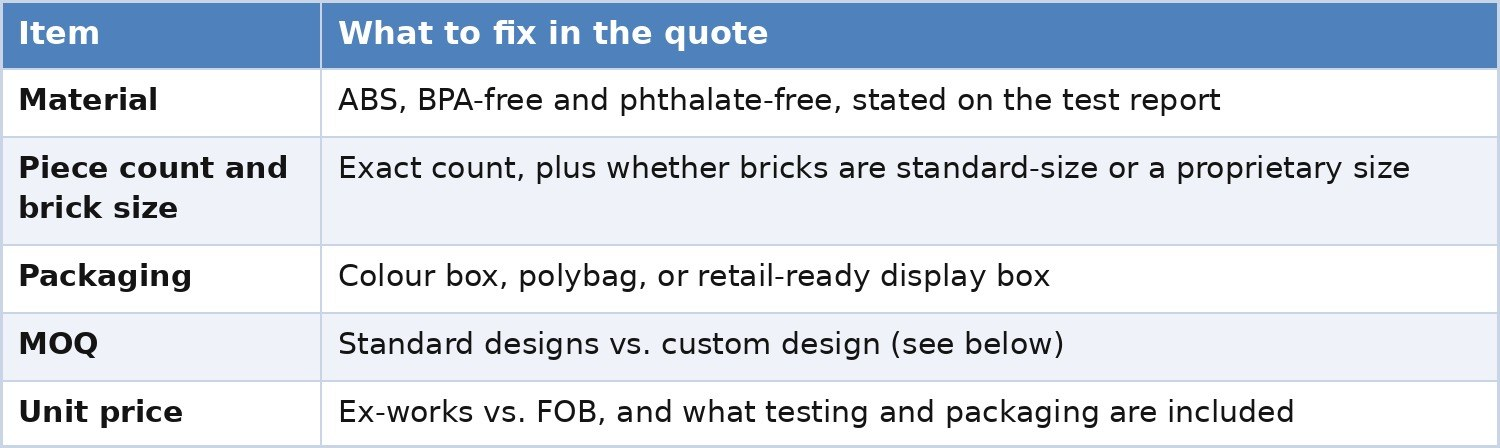
Listings in late October 2026 show small ABS sets roughly in the $2-$5 range and larger 100-plus-piece sets roughly in the $3-$11 range, with MOQs from as low as 24-100 pieces for stock designs up to 500 sets for some branded-style lines. Custom projects are a different market: large manufacturers often ask 5,000 units or more, while trading companies may accept 1,000-3,000. Small-batch custom work at 200-500sets exists, but usually only when the design can use an existing mould or standard brick size.
That last point is the biggest cost trap. A fully unique brick design can cost several thousand dollars in moulding alone, before a single set is produced. One sourcing case study cut a custom-block budget roughly in half - from about $3,000 to about $1,500 - simply by using a factory's existing standard brick size instead of cutting a new mould. If you are testing a market, start with a standard brick and customise the box, colours and instructions first.
Private label: cost, certification and time
Buyers who skip certification planning are the ones whose shipment sits at the port. Budget for it as a line item, not an afterthought.
For Europe, the core toy standard is EN 71, coveringmechanical safety, flammability and chemical migration, alongside REACH chemical rules. For the United States, it is ASTM F963 plus CPSIA rules, including third-party testing by a CPSC-accepted laboratory and a Children's Product Certificate. ISO 8124 is also widely referenced internationally. A supplier saying "CE" or "passed testing" is not enough: ask for the test report for your exact product, material and age grading, and check that the laboratory and report match the goods you will receive.
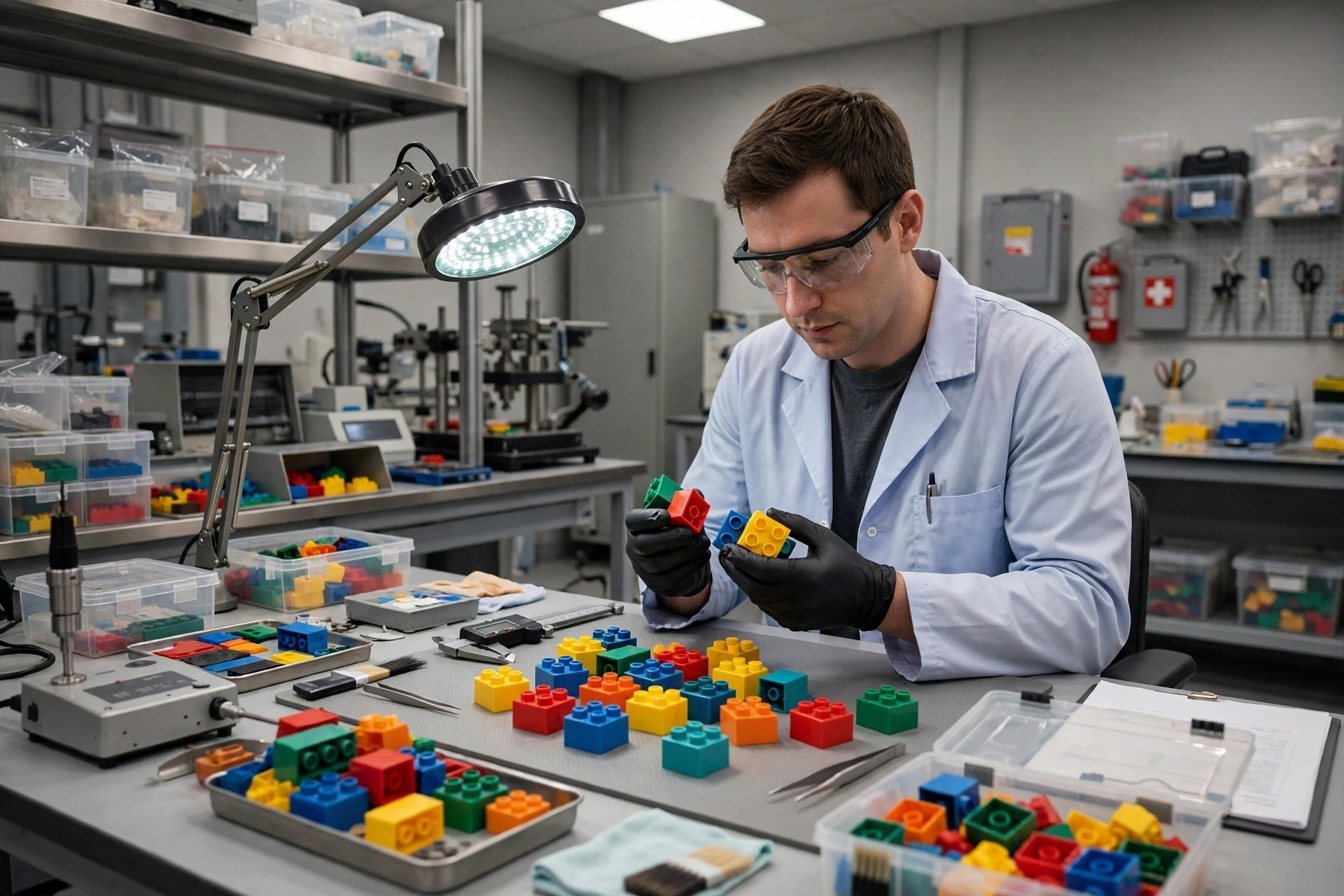
On timing, allow weeks - not days - for testing and any retest after a failed sample, and confirm sample lead time in writing before paying a mould deposit. Chenghai guides commonly quote sample and small-production lead times in the 30-60-day range, but piece count, printing and packaging move that number a lot. Order samples from two or three suppliers and test clutch power (how firmly bricks grip), colour consistency, sharp edges and print durability side by side. A block that looks right in a photo and falls apart in a child's hands is a return, not a product.
One more guardrail: do not ask a factory to copy a protected brick system, character or logo. Original designs, licensed designs, or standard bricks with your own packaging are the safe routes; a copy that sells well is also the one most likely to be pulled from a marketplace.
FAQ
What MOQ should a first-time buyer expect?
For a stock design, 100-500 sets is a realistic starting range. For a fully custom design, expect 1,000-5,000 units depending on whether the supplier is a factory or a trading company, and whether a new mould is needed.
Plastic or wooden blocks - which is easier to start with?
Plastic interlocking sets have the widest supplier base and the clearest price ladder by piece count. Wooden blocks are simpler to test for safety and suit younger children, but check wood sourcing, moisture control and coating reports carefully.
What should I check before paying a deposit?
Business licence, factory audit or third-party inspection report, and a test report for the exactproduct and destination market. If any of the three is missing or does not match the product, pause.
How does ChinaSift help?
Our $129 Sourcing Trial finds five suppliers for one product, compares them on specification, price, MOQ and certification, and recommends the strongest fit. If you order within 90 days, the $129 is fully credited against commission.
Contact us at info@chinasift.com or on WhatsApp at +86 18312155383, and tell us your piece count, material, target market and target retail price - that is enough to start a comparison.
How to source dash cams from China in 2026: dual 4K front + 1080P rear, STARVIS sensor night tests, loop recording and G-sensor locks, heat and parking-mode che···
Как заказать пусковые устройства из Китая в Россию в 2026 году: реальные и заявленные пико···
How to buy from 1688 without speaking Chinese in 2026: browser translation, image search and Chinese keywords, reading price tiers and supplier badges, landed c···