
One-stop comprehensive solution provider
How to Source MagSafe Power Banks from China: A 2026 Buyer's Guide
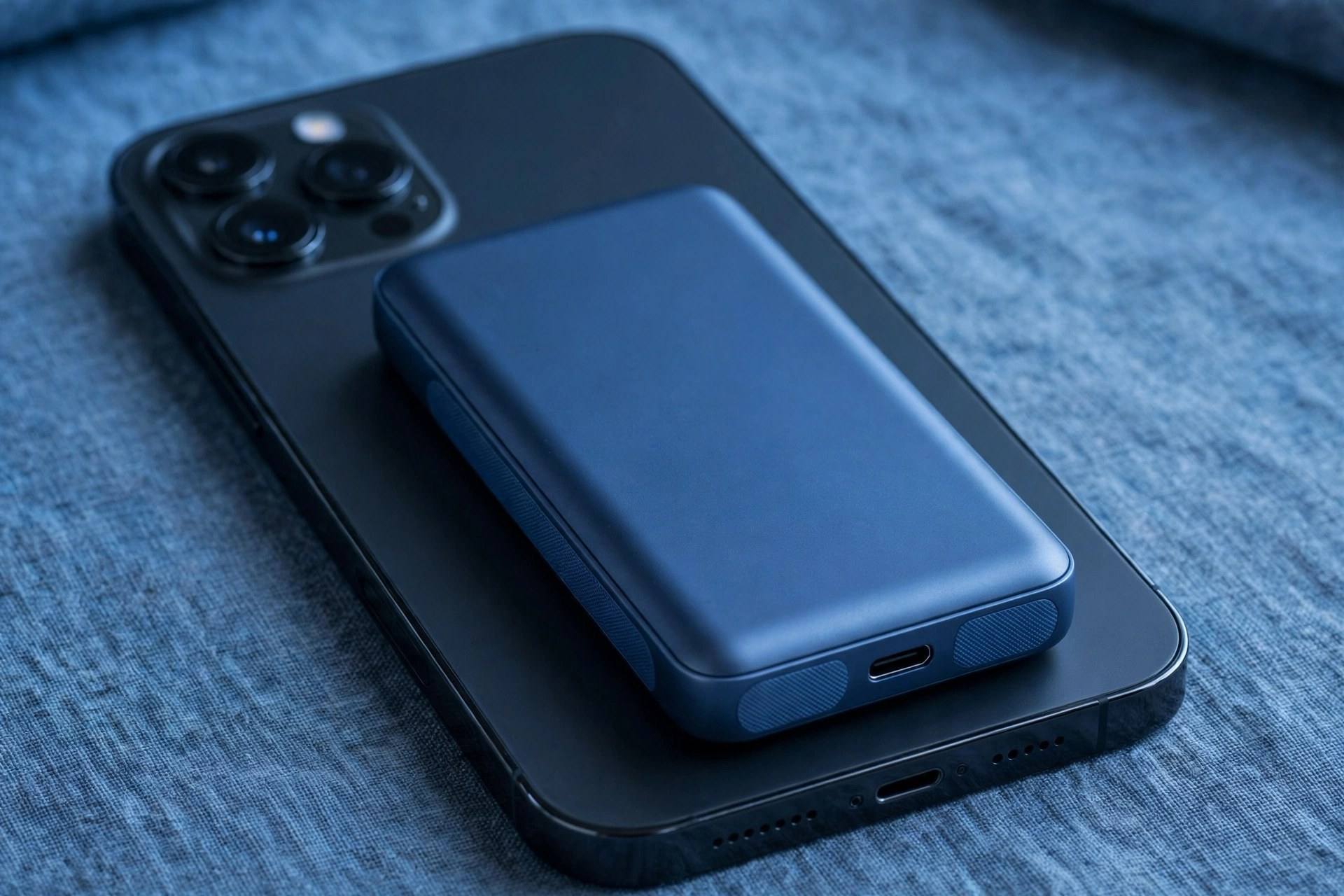
Magnetic power banks are one of the strongest phone-accessory categories for small and mid-size brands: they are light to ship, easy to private-label, and iPhone users buy them repeatedly. But they are also one of the easiest products to get wrong. Weak magnets, inflated capacity claims, and missing battery paperwork are the three problems that come up again and again in first orders. This guide covers the variants, the certifications, and the price and MOQ ranges you should expect when sourcing from China.
Choose the right variant first
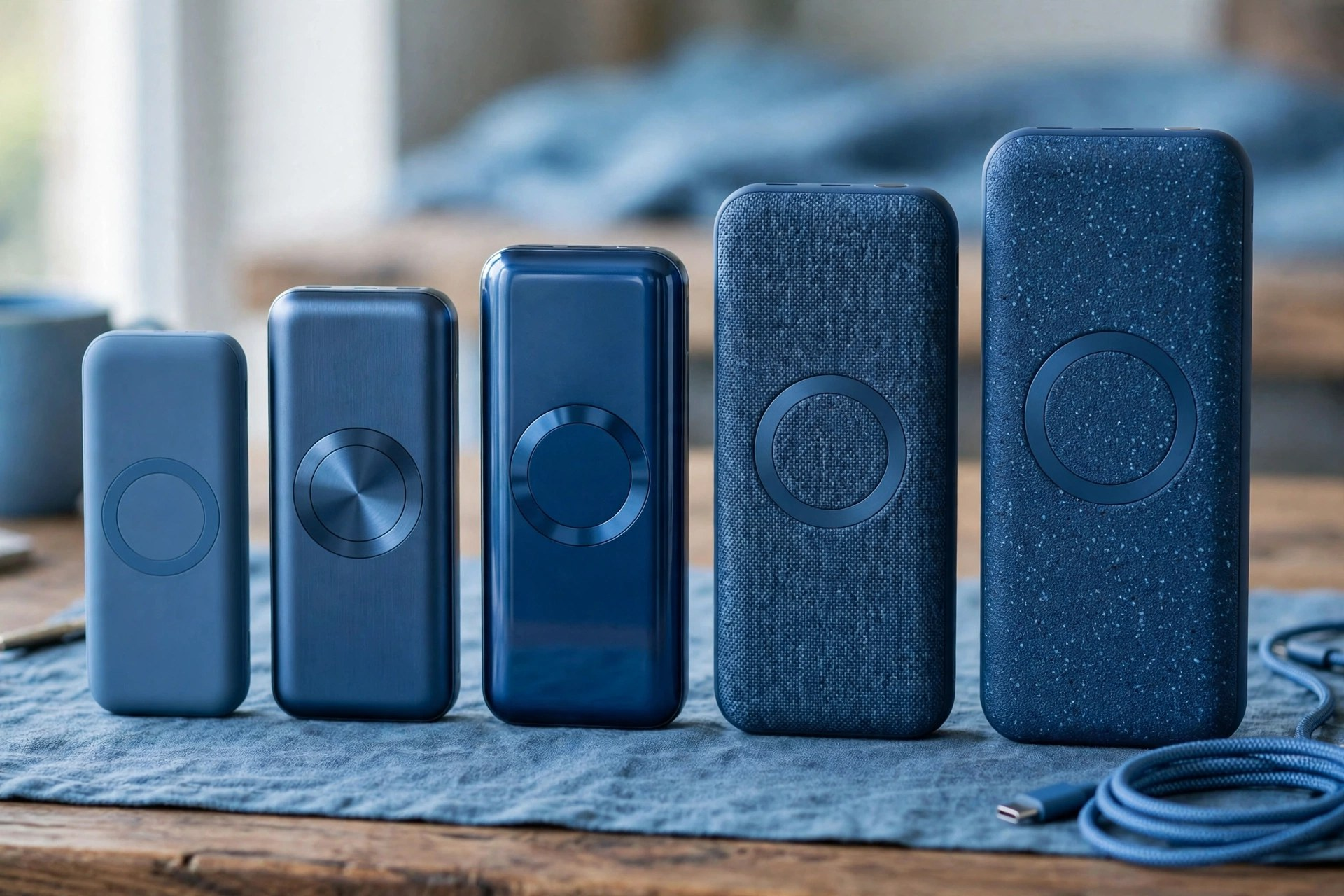
Start with capacity. A 5,000mAh magnetic bank is slim, pocket-friendly, and gives most phones roughly one partial to one full charge — the best seller for everyday carry and promotional use. A 10,000mAh model is thicker and heavier but charges a phone twice, and it suits travel retail and premium bundles. Anything above that is a niche product: the magnet has to hold more weight, and the bank gets bulky.
Next, charging speed. Basic magnetic banks deliver 7.5W wireless charging. Qi2-certified models deliver 15W and snap into alignment more reliably, and they command a higher retail price. Also check the wired output: a USB-C port with 20W Power Delivery turns the bank into a fast wired charger too, which many buyers now expect as standard. Extras that move the price include a built-in kickstand, a digital battery display, and soft-touch or metal finishes.
Certifications and shipping: the paperwork that matters
Six documents come up on almost every export order: CE and RoHS for Europe, FCC for the United States, Qi certification for wireless charging, and UN38.3 plus an MSDS for battery transport. If you sell into the EU, add WEEE registration to the list. Ask for certificates matched to the exact model and cell configuration you are ordering — a certificate for a different model does not count, and a reputable supplier will let you verify it with the testing lab.
Shipping deserves its own question. Power banks are classified as dangerous goods for air freight (UN3480), so air shipments need the UN38.3 report, the MSDS, and a drop-test report, and they cost more per unit than sea freight. For first orders, sea freight is usually the economical choice unless you are racing a launch date. Confirm the freight method and its paperwork requirements before you pay, not after the goods are packed.
Price and MOQ: typical ranges
Prices vary with cell grade, capacity, and order size, but peer sourcing guides put typical factory-direct ranges at roughly $2.80–$3.50 for a basic 5,000mAh model at MOQ 1,000, and $5.00–$7.00 for a 10,000mAh model with a display at MOQ 500. Premium cells from brands like LG, Samsung SDI, or Panasonic add roughly 15–25% over standard Chinese cells, and they are usually worth it: generic cells are where inflated capacity claims and higher failure rates come from.
MOQs follow customization. Stock models with your logo printed can start around 500 units. Custom colors, packaging, or housing push the minimum toward 1,000, and full ODM designs with new tooling start around 3,000. Lead times run 25–30 days for standard orders, and samples typically cost $30–$80, often deductible from the bulk order. Treat any quote far below these ranges as a warning sign, not a bargain.
Five pitfalls to check before you order
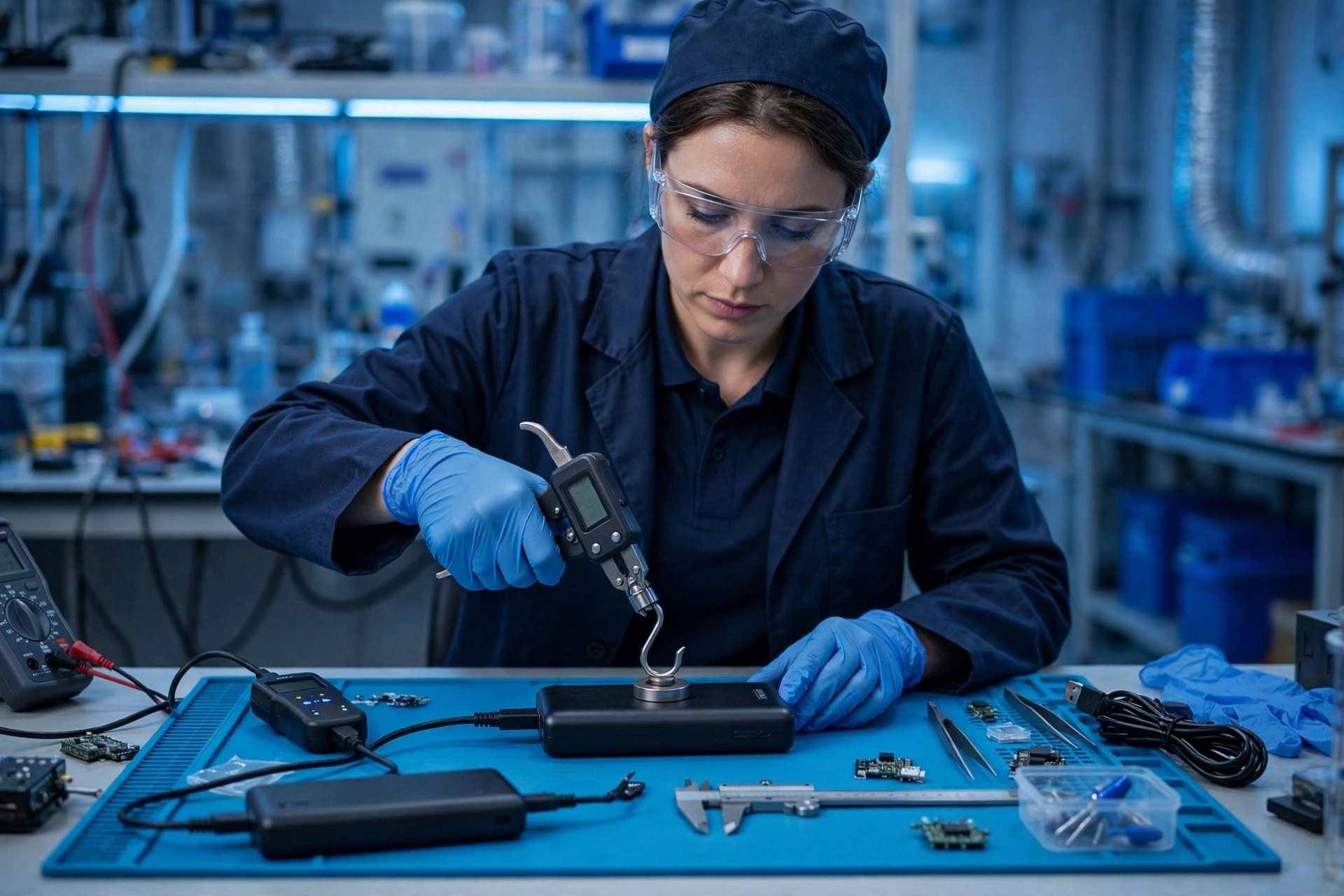
First, test the magnet yourself. A sample should hold the phone firmly when shaken gently and align the charging coil on the first try — weak alignment means slow charging and returns. Second, check rated capacity, not just cell capacity: a 10,000mAh cell typically delivers around 6,000–7,000mAh to the phone after conversion losses, and honest suppliers state both figures. Third, ask for the cell brand in writing; "Grade A" without a brand name means very little.
Fourth, watch the trademark wording. MagSafe is Apple's trademark, so your listing and packaging should say "MagSafe-compatible" rather than claiming MagSafe certification you do not hold. Fifth, verify the factory, not just the listing: a quick video call showing the production floor, plus a business license with production in its scope, separates real factories from trading companies posing as factories.
A short checklist for your first order
Confirm the variant and wattage, get the six certificates matched to your model, agree on the cell brand, test two or three samples for magnet strength and real delivered capacity, and compare quotes on landed cost rather than unit price alone. Done in that order, a MagSafe power bank is a clean, repeatable product line — and one of the easier categories to build a brand around.
Want this product sourced and checked for you?
ChinaSift compares suppliers on specs, certifications, and landed cost, and verifies samples before you commit. Start with a $129 Sourcing Trial — the fee converts into commission credit if you order within 90 days. Contact us to start.
WhatsApp: +86 18312155383 · Email: info@chinasift.com
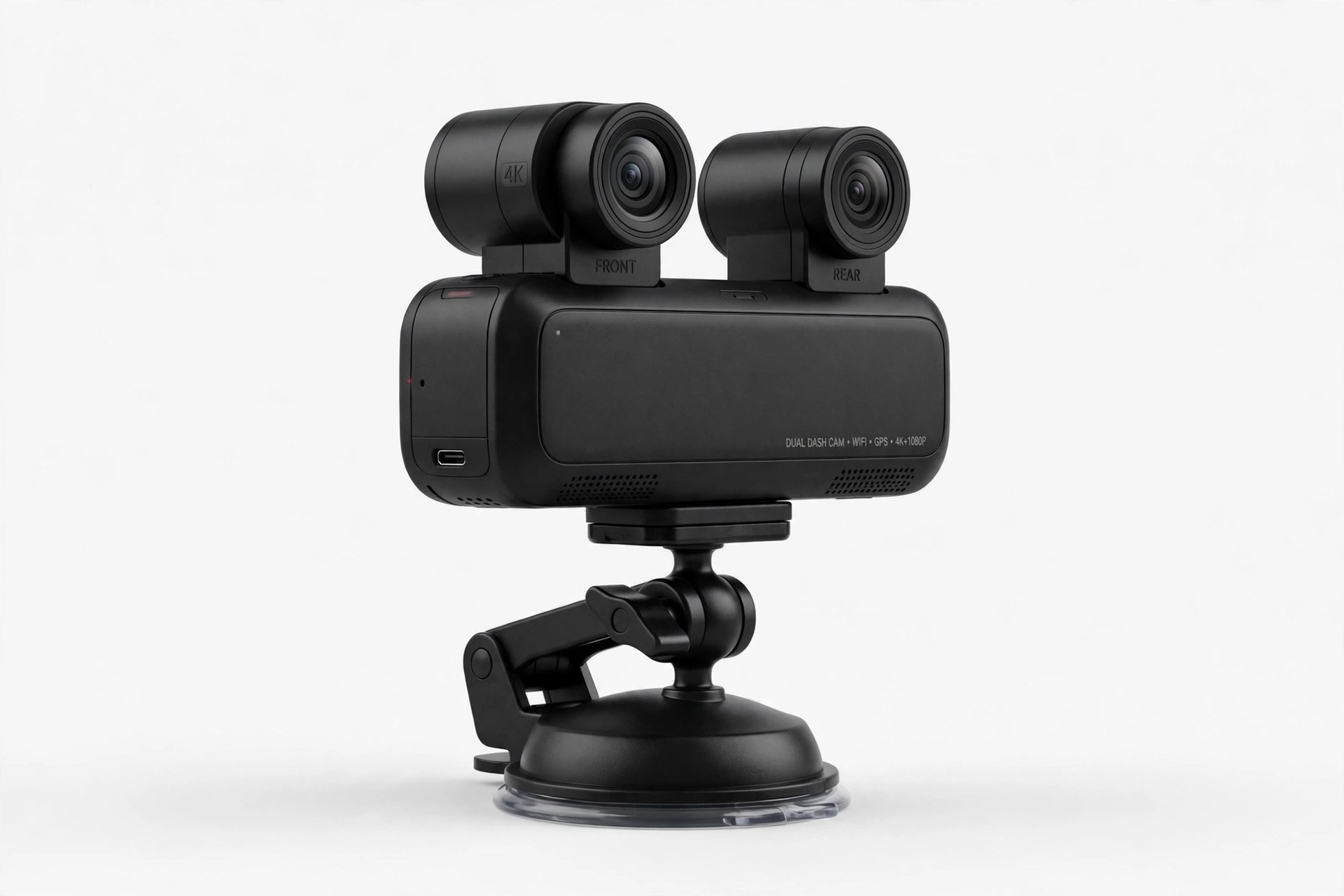
How to source dash cams from China in 2026: dual 4K front + 1080P rear, STARVIS sensor night tests, loop recording and G-sensor locks, heat and parking-mode che···
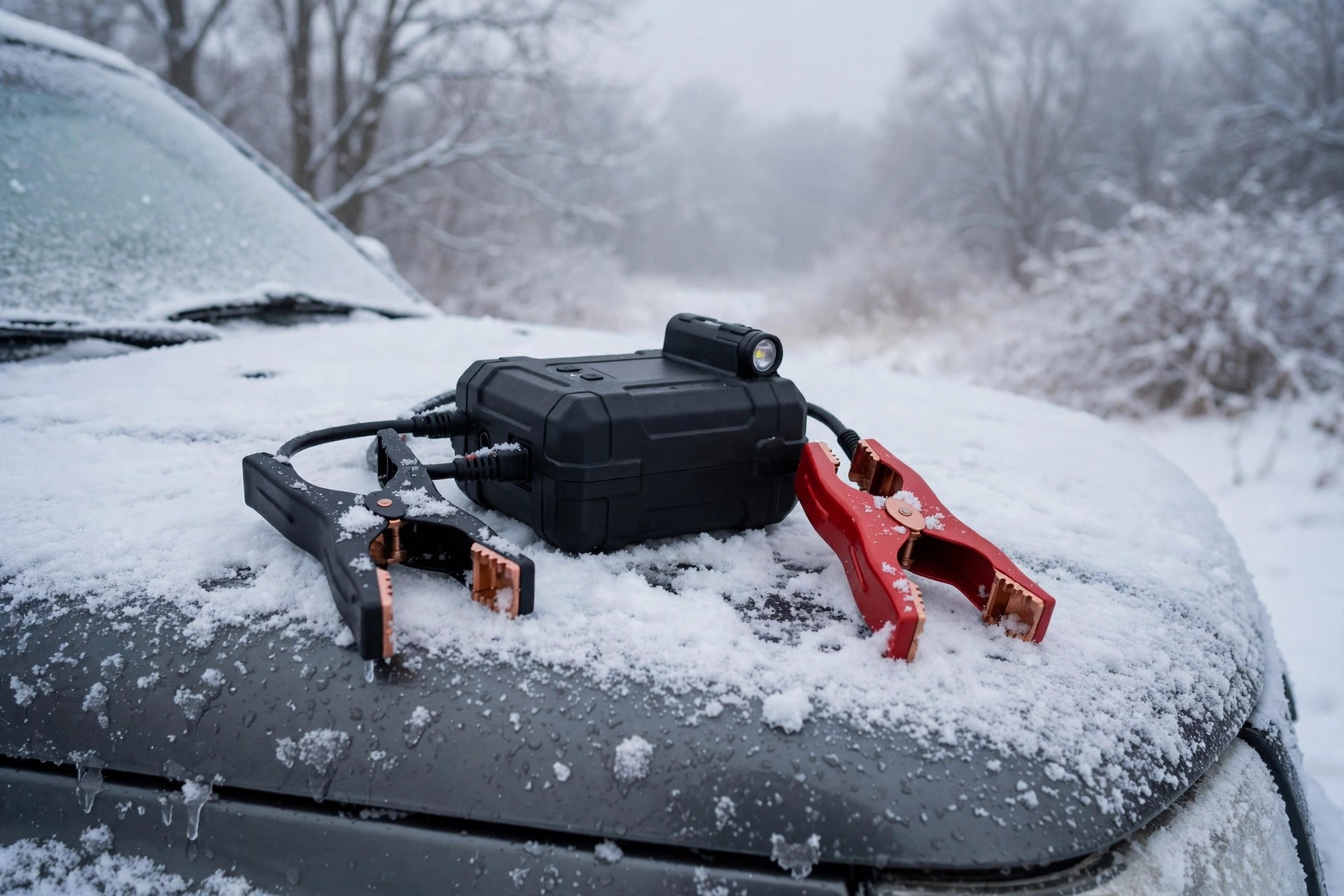
Как заказать пусковые устройства из Китая в Россию в 2026 году: реальные и заявленные пико···
How to buy from 1688 without speaking Chinese in 2026: browser translation, image search and Chinese keywords, reading price tiers and supplier badges, landed c···