
One-stop comprehensive solution provider
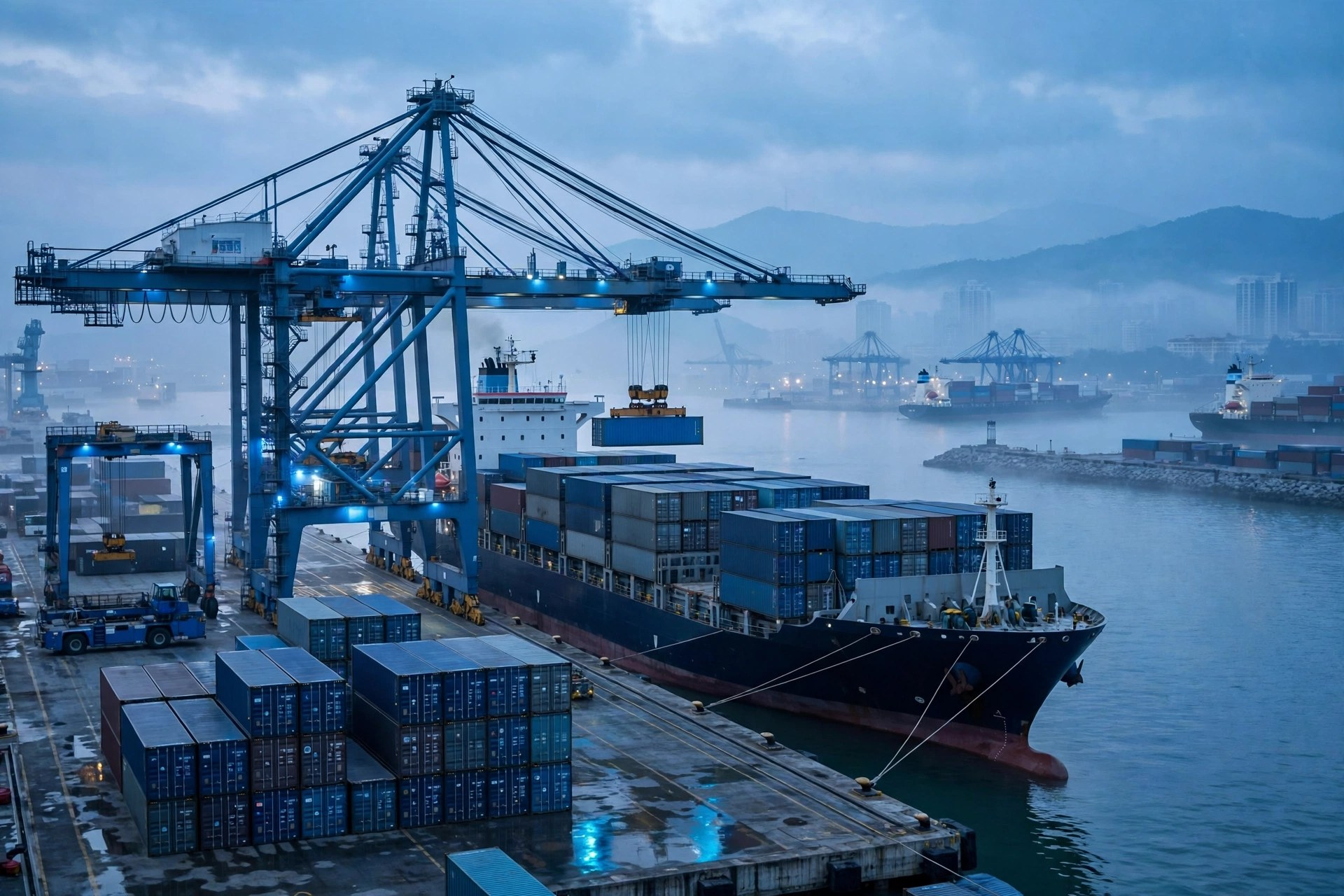
FOB vs EXW vs DDP: Which Shipping Term Should
You Choose When Sourcing from China?
When a Chinese supplier quotes you a price, three letters next to it decide who pays for shipping, who clears customs, and who carries the risk if something goes wrong: EXW, FOB, or DDP. Pick the wrong one and you can end up paying twice for the same freight, facing a customs bill you never expected, or waiting weeks for goods held at a port. This guide explains each term in plain language, shows where buyers actually lose money, and helps you choose the right one for your order.
The three terms, in plain language
EXW (Ex Works) means you collect the goods at the factory gate. The unit price looks the lowest, but everything after that point is yours: domestic trucking to the port, export customs clearance, international freight, insurance, and import duties at your end. It only works well if you already have a freight forwarder operating in China.
FOB (Free on Board) means the supplier delivers the goods onto the vessel at a named Chinese port and clears export customs. You pay the international freight, insurance, and all destination costs — import customs, duties, and delivery to your warehouse. This is the most common term in China sourcing, and for good reason: it splits responsibility at a clean, visible point.
DDP (Delivered Duty Paid) means the supplier handles everything to your door,including import duties and taxes. The unit price is the highest, but the experience is the simplest: one price, one contact, no forwarder to manage. The trade-off is control — the supplier chooses the shipping method and handles the customs declaration, not you.
Where buyers actually lose money
The EXW trap is the quote that looks cheapest. Domestic transport, export clearance, and port handling charges add up fast, and on a small order those fixed fees can wipe out the entire unit-price saving. If you do not have a forwarder in China, EXW is rarely the bargain it appears to be.
The FOB trap is assuming "FOB price" covers everything up to the ship. It does not always include origin charges such as terminal handling and documentation fees, so confirm exactly what is included. Also confirm the named port: a factory near Ningbo quoted FOB Shanghai carries a trucking cost the supplier may or may not have included. And decide whose forwarder moves the goods — your own forwarder usually quotes more transparently than one chosen by the supplier.
The DDP trap is the all-in price with no breakdown. If customs questions the declared value, you are not the importer of record and cannot easily fix the paperwork yourself. Worse, some low DDP quotes rely on under-declared values, which leaves you exposed if your shipment is audited. DDP is convenient, but never accept a DDP price without asking how duties were calculated.

Which term fits your situation?
If this is your first order or a small one, DDP keeps things simple — or FOB with a forwarder recommended by someone you trust. If you already work with a freight forwarder, FOB usually gives you the best balance: you control freight cost and timing while the supplier handles the China side. If you ship large volumes and have reliable logistics in China, EXW can save real money, but only with a local partner you trust to handle the export leg.
The rule of thumb: never choose on unit price alone. Compare the landed cost door to door — product, freight, insurance, duties, and local delivery — and the cheapest quote often stops looking cheap.
A simple illustration shows why. Suppose a supplier quotes $4,600 EXW, $5,000 FOB, and $5,900 DDP for the same order. Once you add roughly $900 of China-side logistics to the EXW price and roughly $700 of freight and duties to the FOB price, the landed totals come out near $5,500, $5,700, and $5,900. The gap between the "cheapest" and the "most expensive" quote shrinks to a few hundred dollars — and the DDP option may still win on the time and hassle it saves. These are illustrative figures, not a real quote, but the logic holds for almost every order: compare totals, not unit prices.
Before you confirm any quote
Get it in writing: the term, the named port, exactly what is included and excluded, who acts as importer of record, and the estimated transit time. Ask for the landed-cost breakdown, not just the unit price. Five minutes on these questions before you pay prevents most of the shipping surprises buyers complain about later.
Not sure which term fits your next order? ChinaSift compares supplier quotes on a landed-cost basis and flags hidden charges before you commit. Start with a $129 Sourcing Trial — the fee converts into commission credit if you order within 90 days. Contact us to start.
WhatsApp: +86 18312155383 · Email: info@chinasift.com
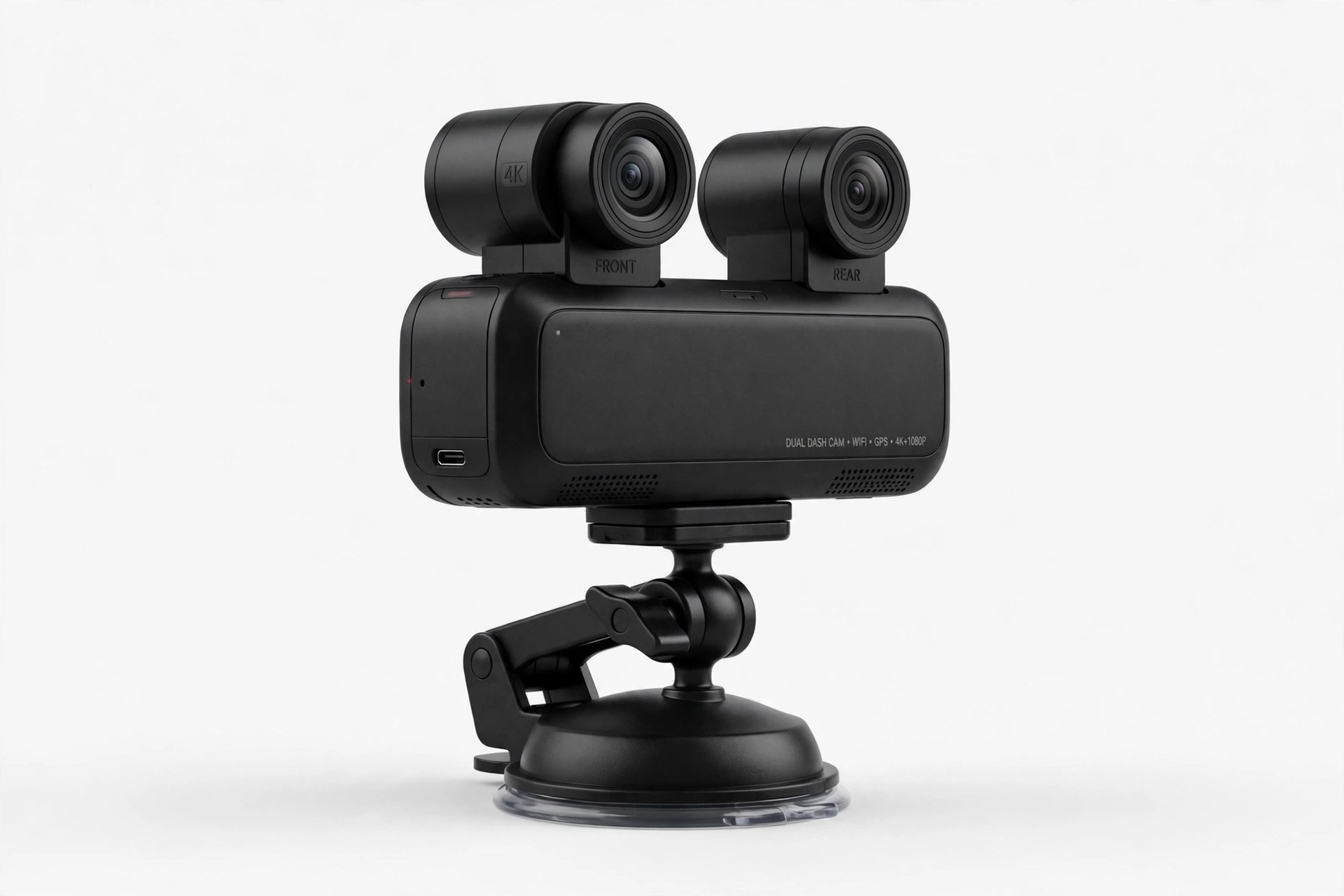
How to source dash cams from China in 2026: dual 4K front + 1080P rear, STARVIS sensor night tests, loop recording and G-sensor locks, heat and parking-mode che···
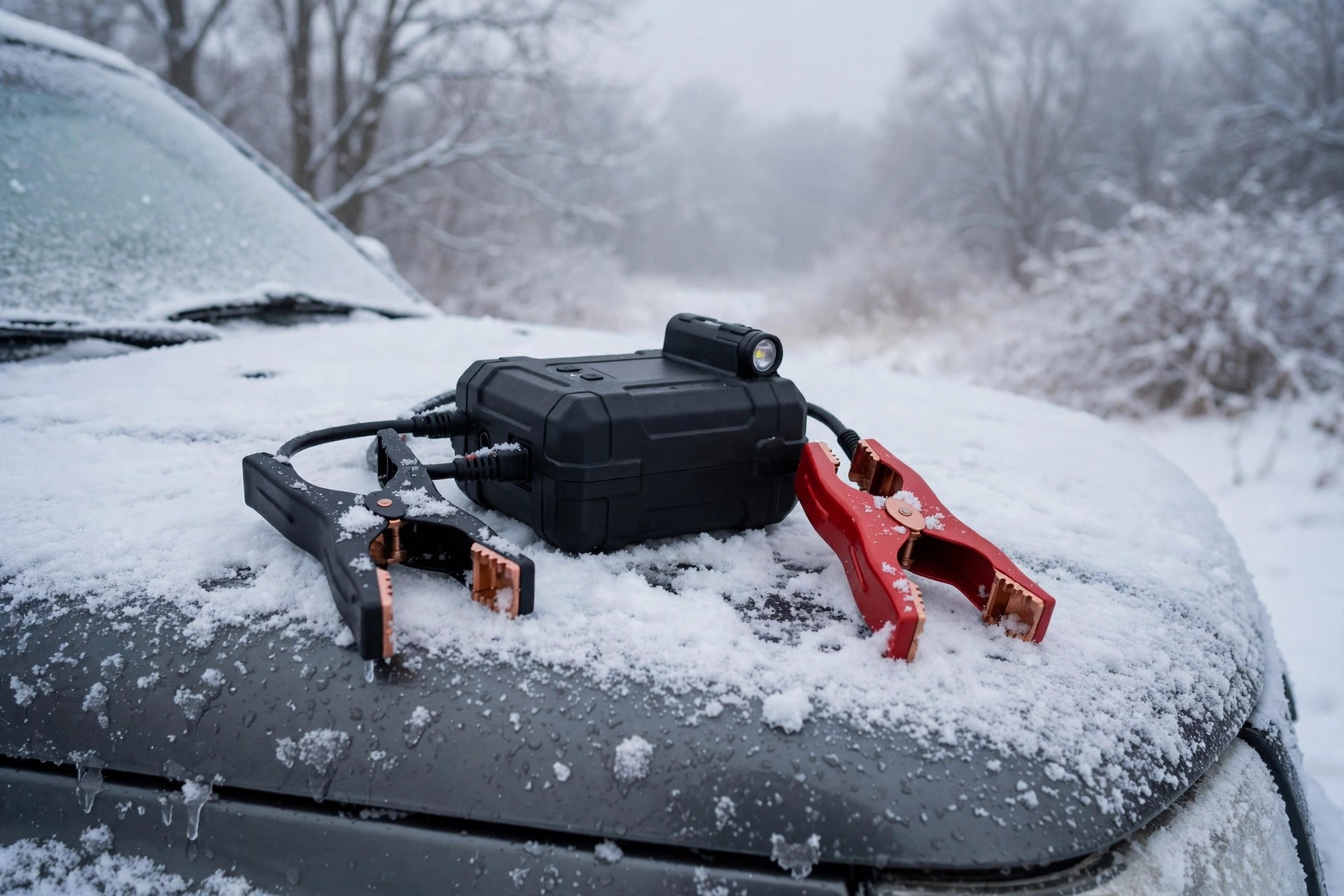
Как заказать пусковые устройства из Китая в Россию в 2026 году: реальные и заявленные пико···

How to buy from 1688 without speaking Chinese in 2026: browser translation, image search and Chinese keywords, reading price tiers and supplier badges, landed c···